There is an old saying “time is money” which refers to how valuable time is to everyone. One might say that weekend time, or time away from work might be considered the most valuable, as it relates to family, friends, and recreation. Time is a premium commodity and is both highly prized and savored by Americans after an exhausting work week.
This exact philosophy applies to caring for your home lawn, regardless of its size. Many people hire a company to mow their lawn because it saves them hours per week that they can spend doing more enjoyable activities. The same correlation can be made to applying lawns treatments to keep your lawn healthy and green. Applying a lawn treatment might seem easy on the surface. However, doing the treatments right and using the correct products can pose a serious dilemma to the average home owner. Let’s consider the real cost of time and money involved with these types of activities.
First, you need to have a spray rig or a dry spreader to apply lawn materials. Most spreaders available at the hardware store are sweet little things, not really setup for ease of use. Consider hard plastic tires versus air inflated commercial grade tires while walking an acre, no comparison! Now you have invested in a $60 throw away lawn spreader with no real serviceable parts. Now comes the hard part, what are you going to put down on your lawn?
You now have to shop for the actual goodies, the fertilizer or lime; perhaps even blended with some other items to knock back weeds, bugs, or minimize crabgrass growth. There are lots of commercial formulations made by large companies trying to simplify this difficult task by labeling the times of year as “Steps” for instance. This is where Step One would be in the spring and Four or Five would be in the fall. While the essence of this seems logical, what is or is not going on in your lawn certainly may not reflect your real lawn care needs at a given time during the growing season. What’s the big deal you might say?
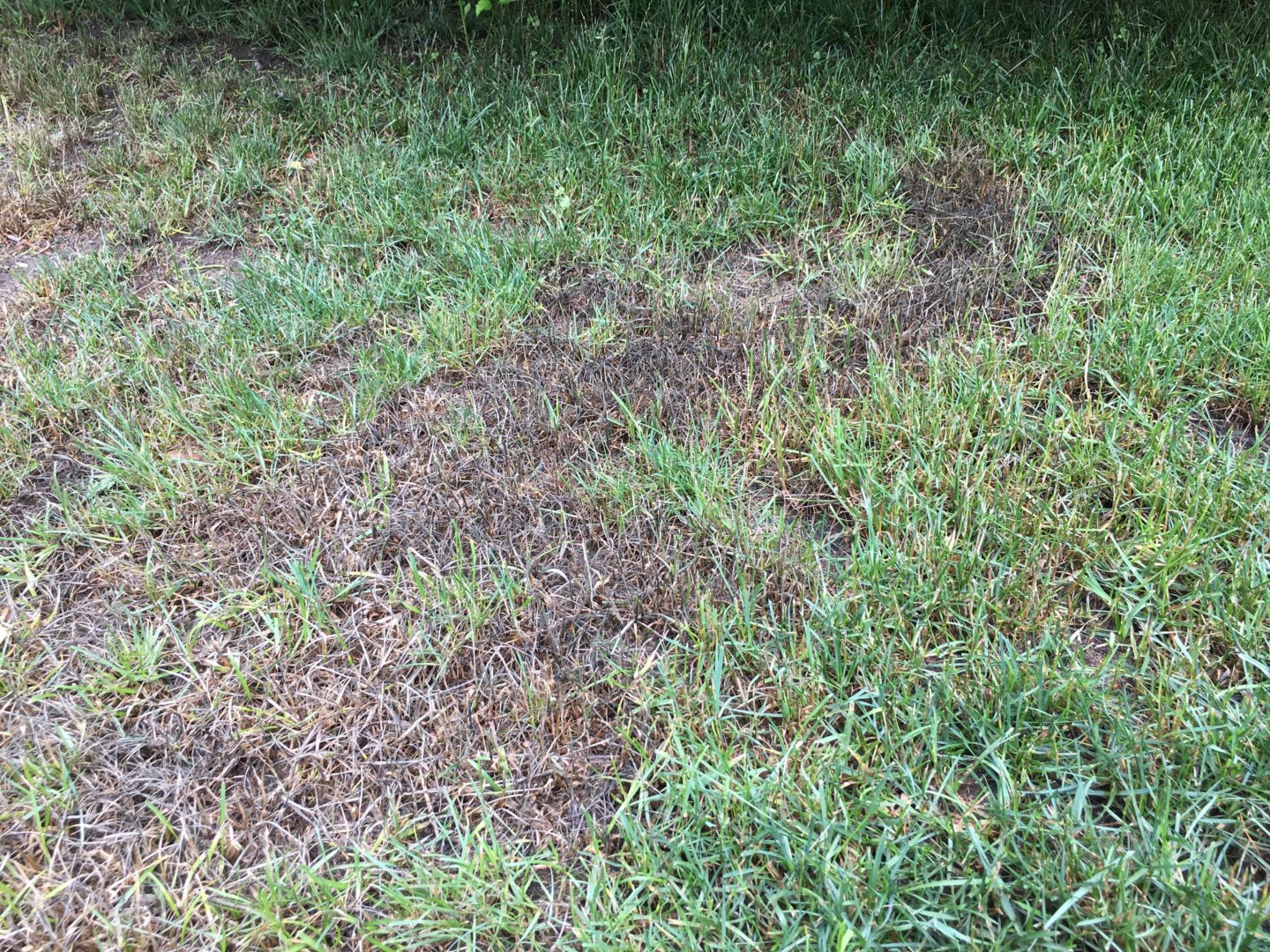
Well, if you are treating for chinch bugs but really have a grub problem that is a real problem. You have now applied a pesticide unnecessarily and have not solved the issue at hand. Don’t forget, these products are not cheap; you can lay down a quick $100 to treat a quarter of an acre without even looking at the receipt. Don’t forget about the damage still being done or the cost of a lawn renovation. Diseases and insects are real threats and are not easy to diagnosis without some field experience and education.
Back to the time element; the time involved shopping, carrying the bags back home, and actual application can easily turn into half a day barring any confusion, weather issues, or other time consuming delays. Most lawn care products also have rates and ranges, but that assumes you know what you’re treating. The TV ads make treating your own lawn seem easy, like grilling up a burger on a Saturday night, but this is oversimplified.
Best case scenario, you bought everything you need – and used up most of your prized Saturday morning and into early afternoon putting down a weed and feed plus lime, plus crabgrass inhibitor. Let’s assume you did the job right. How does this really break down in terms of time and money spent? Most products you find at the hardware store are either setup for a 5,000 or 15,000 sq.ft. yard. A recent online search brought up the following data to fertilize a lawn and treat it for both broadleaf weeds and crabgrass:
I will use a common lawn size of 8,000 sq.ft. Which means you will need two bags of the aforementioned product @$65 each, now you have to store a partial bag for use next spring. Hmmm, wonder if it will be useable next year? $130
1hr shopping for fertilizer and bringing it home $25
1hr for application/cleanup $25
Approximate total cost of $180, excluding your spreader. Remember, I said the job was done correctly, what if it was not? Oh my.
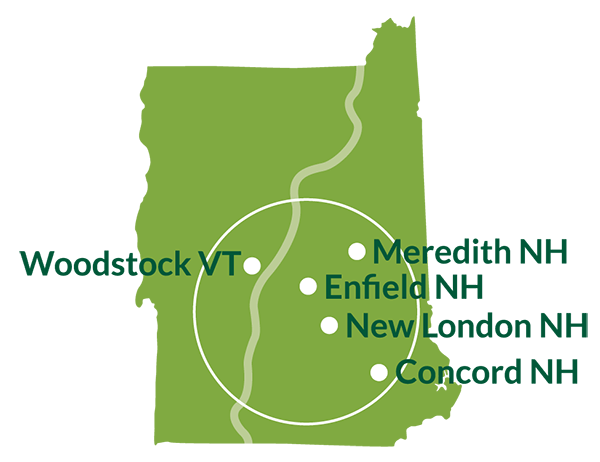
A professionally licensed and insured applicator in VT or NH could do the same treatment in 15-20 minutes and charge you between $60 and $95 depending upon your location and actual materials/rates used, which do vary. The old saying, “you get what you pay for” surely does have a legitimate basis.
If you want the job done right, would like more free time, and still want to enjoy your landscape, perhaps this is the year to explore alternatives to doing the work yourself. The math sure looks good, what about your lawn?!