Posts Tagged ‘turf tips’

Spring Lawn Checklist 2011

Goodbye winter, hello green!

The snow is mostly gone, you may even have a few lingering snow banks that refuse to leave, but for the most part, your lawn is begging for some attention.  Here is a handy spring checklist for your home lawn as you prepare for spring.

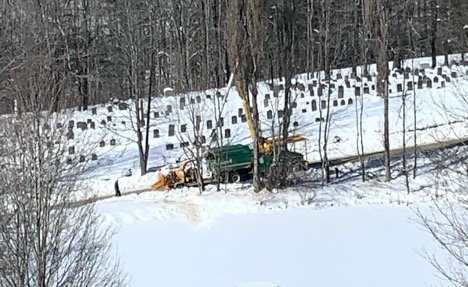
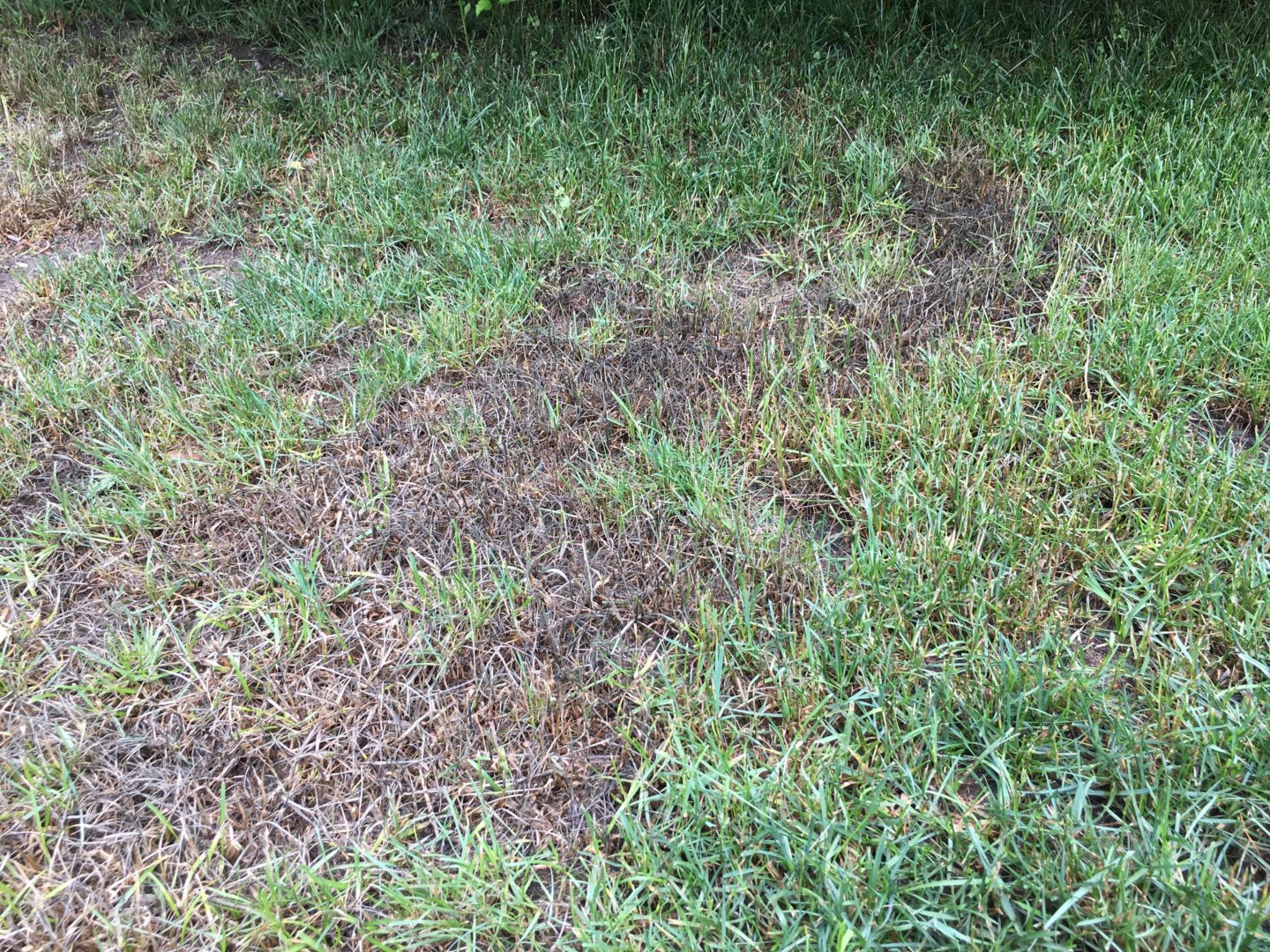
1. Plow damage.  It’s been a snowy, rough winter and if you had your driveway plowed, you are likely going to have plow damage.  Chunks of sod and lawn likely got plowed up along the edges and pushed further back onto your lawn.  These pieces of turf chunks may be close to their original location which is now just a scar in the dirt.  If possible, try to put the lawn puzzle back together and place the grass pieces back onto bare soil.  It may well be weeks before anything else can be done and during that time frame, those pieces of grass will start to break dormancy and grow.  Having them at least touching soil is better than mulching your unharmed lawn where they currently reside.  You can always move these grassy sections later and seed as needed into surrounding bare areas.

2. Debris. You may well find gravel, junks of asphalt, branches, leaves, and other debris that simply don’t belong on a grassy surface.  The sooner you can rake and remove this debris, the better.  If the debris is left in its current location, you may not see it during your first mow.  Nothing is more painful than hitting sticks, rocks, and gravel with your mower having been placed onto your lawn by a plow truck.  Leaves left in piles or allowed to matt, especially in shade, will simply mulch any existing grass depending upon its health and density.  The less debris the better.

3. Raking. There are two ways to rake a lawn, one is intentionally damaging- power raking/dethatching, the other is just plain hand raking or using a pull behind tractor implement.  I do not recommend power raking/dethatching unless the lawn has a severe, and by severe I mean a thatch problem- over 1” thick.  Most lawns do not have this kind of depth when it comes to thatch.  As a result, if the average lawn is power raked, it is actually damaged by the process of tearing and cutting.  Since the grass is dormant, and likely stressed by winter ice/snow/cold damage, power raking tears up roots and actually thins a lawn which in most cases is not a desired outcome.  If seeing piles of dead grass blades makes you feel warm inside, you might want to look at a coffee or hot cocoa instead, it certainly will do less damage to your lawn.  I have seen perfectly healthy lawns nearly destroyed by well intended landscapers, only to be called in to repair the damage by overseeding and other processes.  Stick with a hand rake and fluff the lawn up to help it warm and start to grow, or hire someone to do a spring cleanup which includes light raking.  If your lawn has a thatch issue, consider core aeration later in the spring or fall after it has recovered from winter damage.

4. Fertilizer/Crabgrass control. If you are going to use either fertilizer and crabgrass control blended together- don’t put it down too early.  A crabgrass barrier/inhibitor has a limited life span and can easily thin out turf already in a weakened state from winter.  Your best bet is to apply a plain balanced fertilizer to enhance recovery in April, than follow it up with a crabgrass inhibitor in May for maximum results.  This order will accomplish the best of both treatments while not subjecting your lawn to further stress, thinning, or damage.

A recipe for a great lawn in NH or VT

Published by mrgrass2 on February 11th, 2011 - in Lawn Care Companies, Misc.

Great lawn results come from good ingredients, proper timing & application

Expectations on results vary from client to client in terms of what they are looking for when it comes to things such as color, density, and weeds. Results can be thought of as the end product of many things being done to a given lawn- like fresh ingredients going into a soup for example. Often these ingredients need to be put into the soup in specific amounts/quantities as well as timing- when to add them for the best tasting soup. Are your herbs or vegetables fresh? Is your fertilizer blend correct for the time of year? Your lawn requires a similar mind set when it comes to the amount of fertilizer applied and the timing of weed control to achieve good or great results. Sometimes, one treatment can have a negative effect on another- such as a crabgrass barrier in the spring. Once this material is put down, you cannot seed for months.

As we can see, timing is very important and sometimes the window or time span a given treatment can be done is short- often placing so much planning on a homeowner that this opportunity is missed altogether. A few busy weekends or rain can turn what was planned into “it never happened”. This common pitfall effects results to varying degrees over the growing season be it a weed control application, seeding, or grub control. Like throwing in crushed garlic once the soup is done, the timing is off and the reduced results are tangible to your taste.

A lawns dark green color can be linked to a combination of efforts such as aeration, lime, compost tea, sea kelp, and of course fertilizer to name a few. As you may imagine, there is certainly a direct correlation with the expense put into a lawn as it relates to the number of treatments. Generally speaking, and I speak in a broad brush- the more lawn treatments you do- the faster the progress and results will occur with results improving on the whole- whatever they may be. Results are impacted by application technique such as complete coverage to poor coverage causing the classic zebra stripes. Product rate is critical on any lawn treatment from putting down too little (very common) or too much such as to cause a salt burn. Worse yet, improper product rate when combined with an equally bad technique- wastes material, time, and can cause damage thereby effecting results! Throwing all kinds of herbs and spices into your soup at the same time may not be the best course of action- especially by the cup full!

Creating a good balance in your lawn is an important factor to consider when improving overall results. Improving the soil is an important goal in order to achieve a healthy green lawn. Although there may not be immediate visual results on products such as lime, sea kelp, compost tea, and topdressing- all help improve the soil environment in a supporting role to your grass. Depending upon the expected results, any given turf program must be customized or at least modified to achieve what is desired in a given year. For example, broadleaf weed control must be used at selected times to reduce the competition which exists between them and your grass. It’s a battle for space, light, nutrients, and water on your front lawn. Weed control done improperly can do more harm than good, thus reducing results. As you might have guessed by now- results have a direct correlation to lots of other stuff being done right- not just once- but again and again- rinse, lather, and repeat.

If we close by looking at the soup analogy one last time, which is nice during cold winter weather, achieving the results you desire is important but the game plan to get there is equally important. Follow the recipe and you generally will get what is pictured or described as the soup you wanted. Deviate from the recipe or don’t follow the recipe and the waste will be not only be of your time-but of lost enjoyment and wasted money.

Regardless of how you plan to care for your lawn this year, or not- be aware that results flow from a well designed turf program using only the best ingredients and executed with the timing of a great orchestra. May this spring bring music to your outdoor living spaces as the conductor signals the concert to begin.

© Copyright 2009-2012 Chippers, Inc. All Rights Reserved.