Posts Tagged ‘spring lawn care’

Dry spring weather delays lawn greening


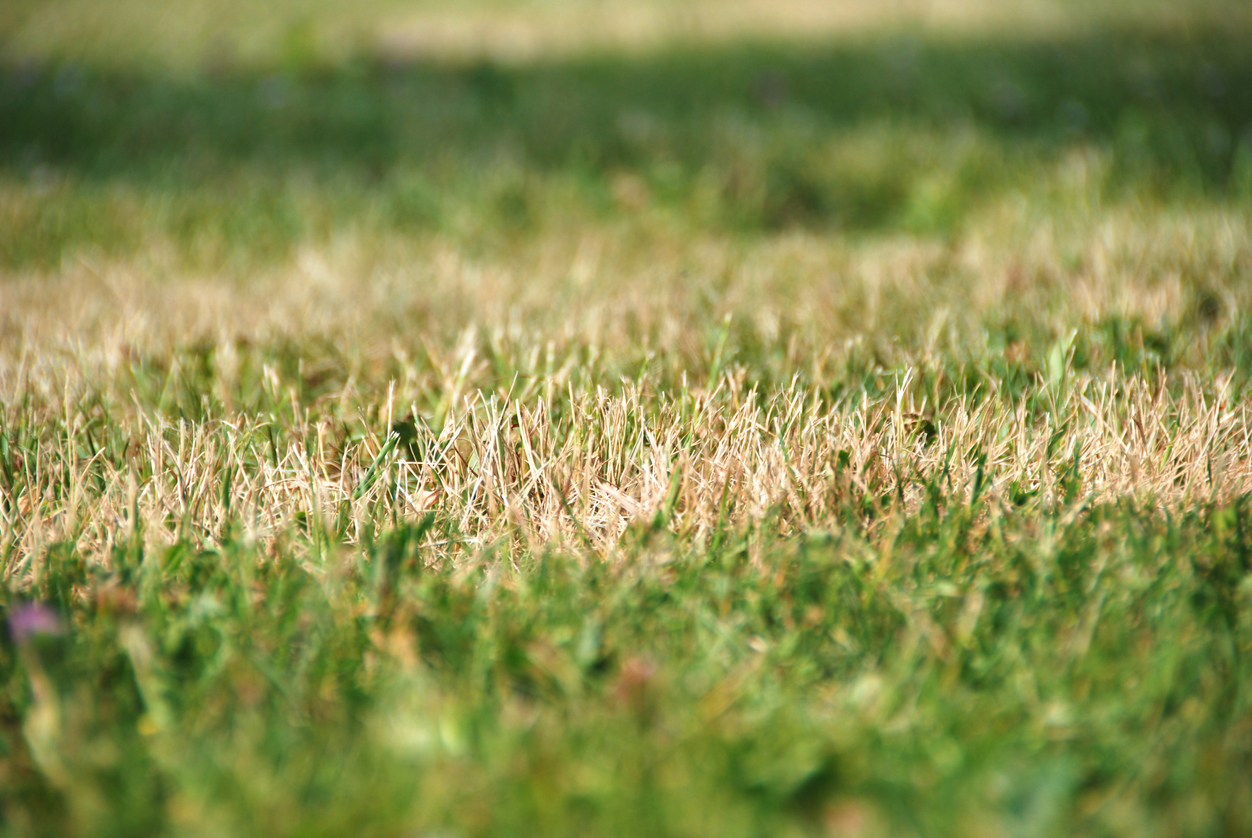
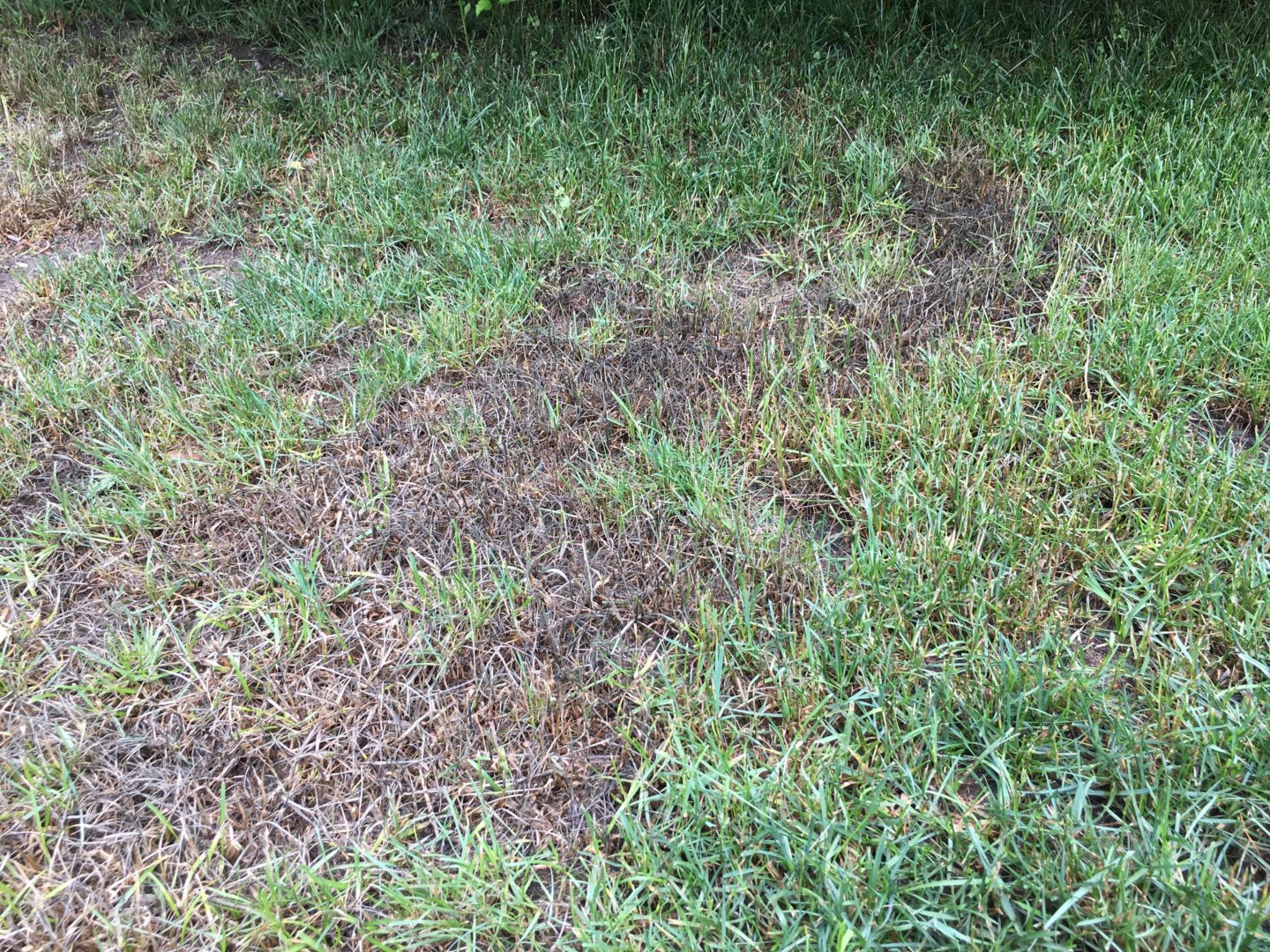
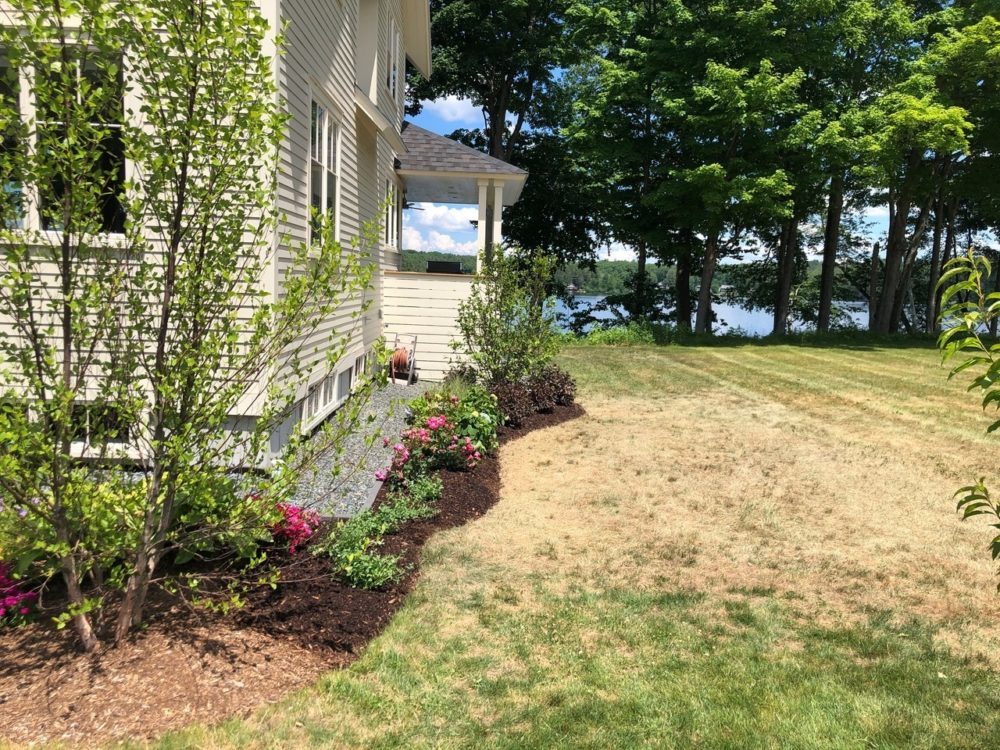
Have you noticed most lawns are just not greening up the way they normally do?  The lack of rainfall and continued dry weather has significantly reduced spring green-up and recovery from winter.  With minimal soil moisture, dormant grass is unable to push out new leaves made up primarily of water.  The resulting drought has stalled the normal lush growth expected in late April or early May.  Dead grass leaves from last year remain brown or white at or near the ground level.  This visually looks bad, with some minor new leaves but a brown or white tint below.  Lots of folks are asking if they should rake up what they perceive as dead thatch.  I say “no” because tearing up dead plant material will do more harm than good to a lawn not yet fully growing or recovered.

Dry spring lawns won't green up

Dry spring lawns won't green up

I am seeing lawns all over NH and VT “simmering”, not really green, not really dormant – a time typically reserved for dark green lush growth.  Any rainfall or irrigation can help push out new growth and get things going; after all summer is just around the corner and high heat usually spells trouble for New England grasses.  A spring dry period can reduce any lawn’s ability to recover after a normal winter possibly followed by snow mold or ice damage.  Some nice soaking showers or a few days of rain can help turn our brown lawns around and get the grass green and growing strong. 

Anyone with irrigation should most certainly be using it by now and those who can water with a sprinkler and hose should consider doing so to help revive lawn areas which are just not doing well.  Sunny areas may be dry, but so may areas with lots of tree roots.  Remember your lawn’s hot spots and those areas which tend to brown first given the heat of summer.  Target those sections first because they will most certainly be under stress, perhaps more than other lawn areas.

If rain does not arrive in the next week or so, I would strongly advise anyone who has a lawn care company to irrigate where possible to push new growth and help dissolve any granular/liquid products remaining on the surface of the lawn and move into down into the soil. 

Chippers’ Mr. Grass attends NH home show!

Published by mrgrass on March 6th, 2013 - in Lawn Care Companies, Misc.

Are you sick of snow and are ready for green grass and colorful flowers?

This is your chance to meet Chippers’ Mr. Grass in person and ask him lawn questions.

Have a problem lawn?

Don’t have a lawn?


Mr. Grass is ready for spring, are you?


Mr. Grass will be at the following home shows this March:

Hanover HomeLife Show March 15- 17 at Leverone Field House, 26 South Park Street, Dartmouth College, Hanover NH

Enter the contest by clicking on the “Contest” button above to register.  You can win one year of free lawn care worth $500 in the Greater Concord or Lakes Region area!

Field Mouse or Vole damage visible on lawns in spring

Published by mrgrass2 on April 1st, 2011 - in Lawn Care Companies, Misc.

Mouse damage on lawns common in spring

As the snow melts (eventually), you may find surface tunnels on your lawn.  This can be a disturbing image and is most unpleasant.  Voles, also known as field mice will tunnel under the snow, eating the grass and shallow roots of your lawn.  The result of this frozen dinner feast is a maze of tunnels created where the mice traveled.  The extent of the damage can be minor such as leaves and thatch being eaten all the way to roots and shoots a more severe result of mouse lawn damage.

Your best bet is to let the area recover in April and do some seeding in May once the soil warms up enough.  Depending upon the extent and depth of the damage, you may not have to do anything, or as in this picture above, the soil is exposed likely requiring some modest efforts to restore the grass to “factory condition”.

Crabgrass and your lawn in NH


When variety and price work against you

There is excitement in the air as day time temperatures rise past the 40’s and into the 50’s with the promise of spring.  Crusty old snow banks shrink each day, exposing the edge of sidewalks, roads, mulch beds, and yes lawns!  The first glimpse of once proud green grass can choke up even the hardiest of New Englanders.  Let’s face it, winter takes a toll on our mental state and even a few hours of sun and green can turn the worst mood around fast.

Spring can be confusing though, especially with all of the advertisements from the big chain stores like Home Depot or Lowes.  These big boys double or triple there employment and bring in all kinds of supplies to fill up the garden department.  Pallets arrive by the truck load and are stacked up in tidy rows yielding multiple selections of colored mulch, fertilizers, decorative stone, lime, topsoil and much more.  Did someone mention new tools?  Who doesn’t love a new shovel or rake?  I mean come on!  Then there are the accessories like bird feeders, edging, lamps, tiki torches, and fencing.  The flowers in baskets and pots draw in even the most hardened shopper like a moth to an outdoor light at night.

While the selection is delightful at these kinds of stores, what commonly is absent is turf knowledge, practical knowledge which applies to your piece of American pie.  Picture yourself standing in front of 6 pallets containing different fertilizers, never mind lime or other materials.  Most of these bags will contain fertilizer mixed with a variety of herbicides or insecticides, some not appropriate for the time of year or the needs of your lawn.  These lawn products generally specify how much they treat in square footage, which can be handy.  However, most materials have a range from “low to heavy” depending upon the rate required.  A lot of the square footage can be based on the low range, which may or may not be what is required at your home.  In other words, you may put down too much or too little for the job which can lead to damaging your existing lawn, turf thinning, poor weed control or a host of other issues.

Surrounding water such as lakes, ponds, and rivers are sensitive areas which must be taken into consideration when applying lawn care materials.  While the laws in NH allow a home owner to apply a variety of products in a turf setting, the same rules apply.  Be sure not to apply ANY fertilizer within 25ft of a pond or lake.  Sea Kelp and lime may be applied within the 25ft range.  From 25ft to 50ft you must use a low phosphate, slow release fertilizer containing NO WEED or INSECT control.  This is very important in order to preserve the quality of the surrounding water and wildlife.  While turf is important and does act as a filter, circumventing or not obeying the law will only cause issues down the road.  Remember, more homeowners treat their own lawn then professionals such as our company.  The impact and risk to a body of water is much higher with homeowners considering the hundreds of houses along lakes and rivers within NH, never mind VT.

Before you buy 200lbs of something and apply it some weekend morning; be sure you are comfortable with the prospect of decent results, the cost of the material, your time, and the potential outcome of wasting all of the above.

Time to review and renew your 2011 lawn care program

Published by mrgrass2 on January 3rd, 2011 - in Lawn Care Companies

The winter months bring back not so distant visions of once green lawns and surrounding trees.  As odd as it may seem, scheduling any kind of lawn program while snow is on the ground is actually a sound process.  There are many good reasons to activate a lawn or plant health care program during the winter to insure prompt service once mud season arrives. 

Review your lawn proposal this winter

The weather plays a large role in the spring as to what and when certain treatments can be done- mostly due to temperature and moisture.  High heat speeds up insect, weed, and disease development- in some cases by weeks not days.  While this may not seem of great importance, temperature plays a huge role in advancing or retarding certain pathogens, ultimately affecting your landscape.  If you do not have a program “online”- ready to go- this timeframe can easily be missed.  Cold weather can slow down the ability of your lawn to recover and green up fast.  The later the first application of fertilizer, compost tea, or lime is applied, your grass is missing vital time for improved color and recovery from winter damage.

I have seen several years where the temperature rose into the high 70’s to lower 80’s in April and May- making some types of weed control applications harmful to turf without proper precautions.  The same can be said about not scheduling early plant health care sprays- you simply miss the window of opportunity for obtaining decent results on a variety of insect and disease issues.

Moisture content can wreak havoc on turf and shrubs in the spring- especially if the spring is cold and rainy.  Such weather greatly advances snow molds and leaf spot on turf while creating apple scab on fruit trees.  Low moisture can reduce seed germination without proper irrigation if aeration and overseeding are done in May or June.  Having overseeding or aeration already scheduled during the winter insures they can be completed at the proper time frame in the spring since they are already booked.  A great green care company will watch weather trends and activate services during the appropriate time frame- you deserve this kind of service.

Timing is the third reason to have your program already setup during the winter.  Many applications have a narrow window of opportunity and if missed, results suffer such as pre-emergent crabgrass control or broadleaf weed control.  Soil temperature and timing are very important on these kinds of applications.  If you think you may remember to call- it may already be to late- spring is a crazy time of year.  Another fabulous reason to schedule your green care treatments during the winter includes a signing bonus if available or a prepay offer for sending in the contract early.  Look for these kinds of financial incentives in addition to a high quality- diversified green care company.

If you have not read the “researching a lawn care company” series on this blog- be sure to check them out since they were statistically the most read in 2010!

© Copyright 2009-2012 Chippers, Inc. All Rights Reserved.