Posts Tagged ‘raking’

Don’t let matted leaves and early snow get you down

Clean up your yard before winter snow stays

Most folks got at least a few inches of snow this past weekend during a record setting October snow storm.  The impact on your lawn can be summed up in a few basic scenarios with the first involving moderate to substantial leaf litter on the ground now snow covered.  Left uncollected, these piles of leaves can be trouble for your lawn as colder weather approaches with snow that will not melt until spring.  As soon as you can remove leaf piles and other debris brought down by the heavy, wet snow you should plan on doing so to prevent smothering areas of your lawn.  The thicker the leaf pile, the better it will mulch your grass leaving dead spots and bare areas next year.

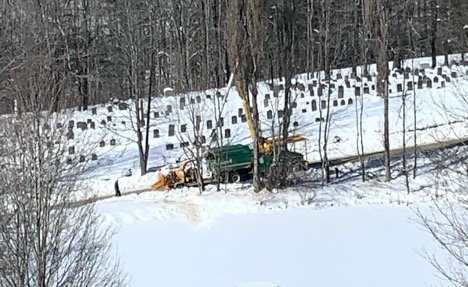
If you have your driveway plowed, now is a great time to put up stakes marking the edge of the lawn indicating the transition from gravel or pavement to grass.  Snow plow damage becomes visible in the spring time as snow recedes, exposing chunks of sod and grass tossed aside to dry out and die.  Without help, snow plow operators can have difficulty determining where your driveway ends and the lawn begins.  Such an error is commonplace during late night snow storms and can result in significant lawn damage.  Using posts, stakes, or sticks can provide a simple, yet effective signal and minimize or prevent the edge of your lawn from being “relocated”.

Even though it is now November, if you got caught with your lawn still needing another cut- say over 3” in height- don’t feel odd pulling out your mower for one last farewell mowing.  Many folks can remove leaves and mow simultaneously so this is a great opportunity to “get two birds with one stone” as the saying goes.  A clean, short cut in November is one way you can say “I love you” to your lawn before the onset of winter.

Many tree limbs were damaged by the weight of the snow with leaves still turning colors, many still green!  Be sure to have those branches cleanly pruned to help reduce future insect and disease damage.  Of course, remove as many downed branches on your lawn as possible, leaving the lawn surface as clean as possible before winter truly arrives.  Completing these basic housekeeping items can give your landscape the edge it might need to survive an unpredictable winter.

Autumn brings out the best in a lawn in NH & VT

chippers can create a picture perfect lawn outside your window

With autumn in full swing, most lawns in NH & VT should be well recovered from what was a record setting summer in terms of high heat.  Any lingering damage should be very obvious and can be fixed before winter such as dead patches of crabgrass or ongoing grub activity.  September and October are ideal months to improve your grass due to warm soil, ample moisture, and cool days/nights.  Fertilizing, liming, aeration, seeding, compost tea, and optional weed reduction are all most effective at this time of the year in NH & VT.  Any insect activity should be addressed now as the longer you wait; the more lawn you lose and the more difficult the control becomes as the pests grow larger such as with grubs in the soil.

If your lawn has issues with weeds such as shepherd’s purse, chickweed, or henbit; consider a treatment this fall with products such as Dimension.  Use of the aforementioned product this fall will also provide some crabgrass suppression next spring.

Autumn is a great time to improve your soil since it is the supporting mechanism for a healthy lawn.  Topdressing with compost, adding sea kelp, or spraying on compost tea rich in humates, fungi, and bacteria are encouraging ways to improve the microbial state of your lawn before winter.  Using a high calcium lime is a positive step to not only adjust your soil pH, but provide calcium which turf greatly appreciates by improving the cation exchange within the soil itself.  What does that mean?  Calcium helps loosen soil up while Magnesium based lime tends to bind it up more.  The better the cation exchange, the less your soil will leach nutrients, especially when combined with a healthy microbial environment below ground.  Soils high in organic matter have high cation exchange capacities while sandy soils have very low ratings.  As you can see, healthy soil is more important to your lawn than you may have imagined.

As always, be sure to recycle your lawn clippings whenever possible and mow high even in the fall to promote deeper root systems.  As the leaves begin to fall and accumulate, don’t let them mulch out shaded areas- rake them up or mow them into pieces.  Improved sunlight can help those marginal areas which were blocked by a tree canopy or forest edge.  Even shade tolerant grass will appreciate a little extra sun in the fall before winter snow arrives.

Spring Lawn Checklist 2011

Goodbye winter, hello green!

The snow is mostly gone, you may even have a few lingering snow banks that refuse to leave, but for the most part, your lawn is begging for some attention.  Here is a handy spring checklist for your home lawn as you prepare for spring.

1. Plow damage.  It’s been a snowy, rough winter and if you had your driveway plowed, you are likely going to have plow damage.  Chunks of sod and lawn likely got plowed up along the edges and pushed further back onto your lawn.  These pieces of turf chunks may be close to their original location which is now just a scar in the dirt.  If possible, try to put the lawn puzzle back together and place the grass pieces back onto bare soil.  It may well be weeks before anything else can be done and during that time frame, those pieces of grass will start to break dormancy and grow.  Having them at least touching soil is better than mulching your unharmed lawn where they currently reside.  You can always move these grassy sections later and seed as needed into surrounding bare areas.

2. Debris. You may well find gravel, junks of asphalt, branches, leaves, and other debris that simply don’t belong on a grassy surface.  The sooner you can rake and remove this debris, the better.  If the debris is left in its current location, you may not see it during your first mow.  Nothing is more painful than hitting sticks, rocks, and gravel with your mower having been placed onto your lawn by a plow truck.  Leaves left in piles or allowed to matt, especially in shade, will simply mulch any existing grass depending upon its health and density.  The less debris the better.

3. Raking. There are two ways to rake a lawn, one is intentionally damaging- power raking/dethatching, the other is just plain hand raking or using a pull behind tractor implement.  I do not recommend power raking/dethatching unless the lawn has a severe, and by severe I mean a thatch problem- over 1” thick.  Most lawns do not have this kind of depth when it comes to thatch.  As a result, if the average lawn is power raked, it is actually damaged by the process of tearing and cutting.  Since the grass is dormant, and likely stressed by winter ice/snow/cold damage, power raking tears up roots and actually thins a lawn which in most cases is not a desired outcome.  If seeing piles of dead grass blades makes you feel warm inside, you might want to look at a coffee or hot cocoa instead, it certainly will do less damage to your lawn.  I have seen perfectly healthy lawns nearly destroyed by well intended landscapers, only to be called in to repair the damage by overseeding and other processes.  Stick with a hand rake and fluff the lawn up to help it warm and start to grow, or hire someone to do a spring cleanup which includes light raking.  If your lawn has a thatch issue, consider core aeration later in the spring or fall after it has recovered from winter damage.

4. Fertilizer/Crabgrass control. If you are going to use either fertilizer and crabgrass control blended together- don’t put it down too early.  A crabgrass barrier/inhibitor has a limited life span and can easily thin out turf already in a weakened state from winter.  Your best bet is to apply a plain balanced fertilizer to enhance recovery in April, than follow it up with a crabgrass inhibitor in May for maximum results.  This order will accomplish the best of both treatments while not subjecting your lawn to further stress, thinning, or damage.

Crabgrass and your lawn in NH


When variety and price work against you

There is excitement in the air as day time temperatures rise past the 40’s and into the 50’s with the promise of spring.  Crusty old snow banks shrink each day, exposing the edge of sidewalks, roads, mulch beds, and yes lawns!  The first glimpse of once proud green grass can choke up even the hardiest of New Englanders.  Let’s face it, winter takes a toll on our mental state and even a few hours of sun and green can turn the worst mood around fast.

Spring can be confusing though, especially with all of the advertisements from the big chain stores like Home Depot or Lowes.  These big boys double or triple there employment and bring in all kinds of supplies to fill up the garden department.  Pallets arrive by the truck load and are stacked up in tidy rows yielding multiple selections of colored mulch, fertilizers, decorative stone, lime, topsoil and much more.  Did someone mention new tools?  Who doesn’t love a new shovel or rake?  I mean come on!  Then there are the accessories like bird feeders, edging, lamps, tiki torches, and fencing.  The flowers in baskets and pots draw in even the most hardened shopper like a moth to an outdoor light at night.

While the selection is delightful at these kinds of stores, what commonly is absent is turf knowledge, practical knowledge which applies to your piece of American pie.  Picture yourself standing in front of 6 pallets containing different fertilizers, never mind lime or other materials.  Most of these bags will contain fertilizer mixed with a variety of herbicides or insecticides, some not appropriate for the time of year or the needs of your lawn.  These lawn products generally specify how much they treat in square footage, which can be handy.  However, most materials have a range from “low to heavy” depending upon the rate required.  A lot of the square footage can be based on the low range, which may or may not be what is required at your home.  In other words, you may put down too much or too little for the job which can lead to damaging your existing lawn, turf thinning, poor weed control or a host of other issues.

Surrounding water such as lakes, ponds, and rivers are sensitive areas which must be taken into consideration when applying lawn care materials.  While the laws in NH allow a home owner to apply a variety of products in a turf setting, the same rules apply.  Be sure not to apply ANY fertilizer within 25ft of a pond or lake.  Sea Kelp and lime may be applied within the 25ft range.  From 25ft to 50ft you must use a low phosphate, slow release fertilizer containing NO WEED or INSECT control.  This is very important in order to preserve the quality of the surrounding water and wildlife.  While turf is important and does act as a filter, circumventing or not obeying the law will only cause issues down the road.  Remember, more homeowners treat their own lawn then professionals such as our company.  The impact and risk to a body of water is much higher with homeowners considering the hundreds of houses along lakes and rivers within NH, never mind VT.

Before you buy 200lbs of something and apply it some weekend morning; be sure you are comfortable with the prospect of decent results, the cost of the material, your time, and the potential outcome of wasting all of the above.

Use high calcium lime on your lawn to reduce rock salt damage!

Published by mrgrass2 on February 28th, 2011 - in Ice Melt, Lawn Care Companies, Lime, Misc.

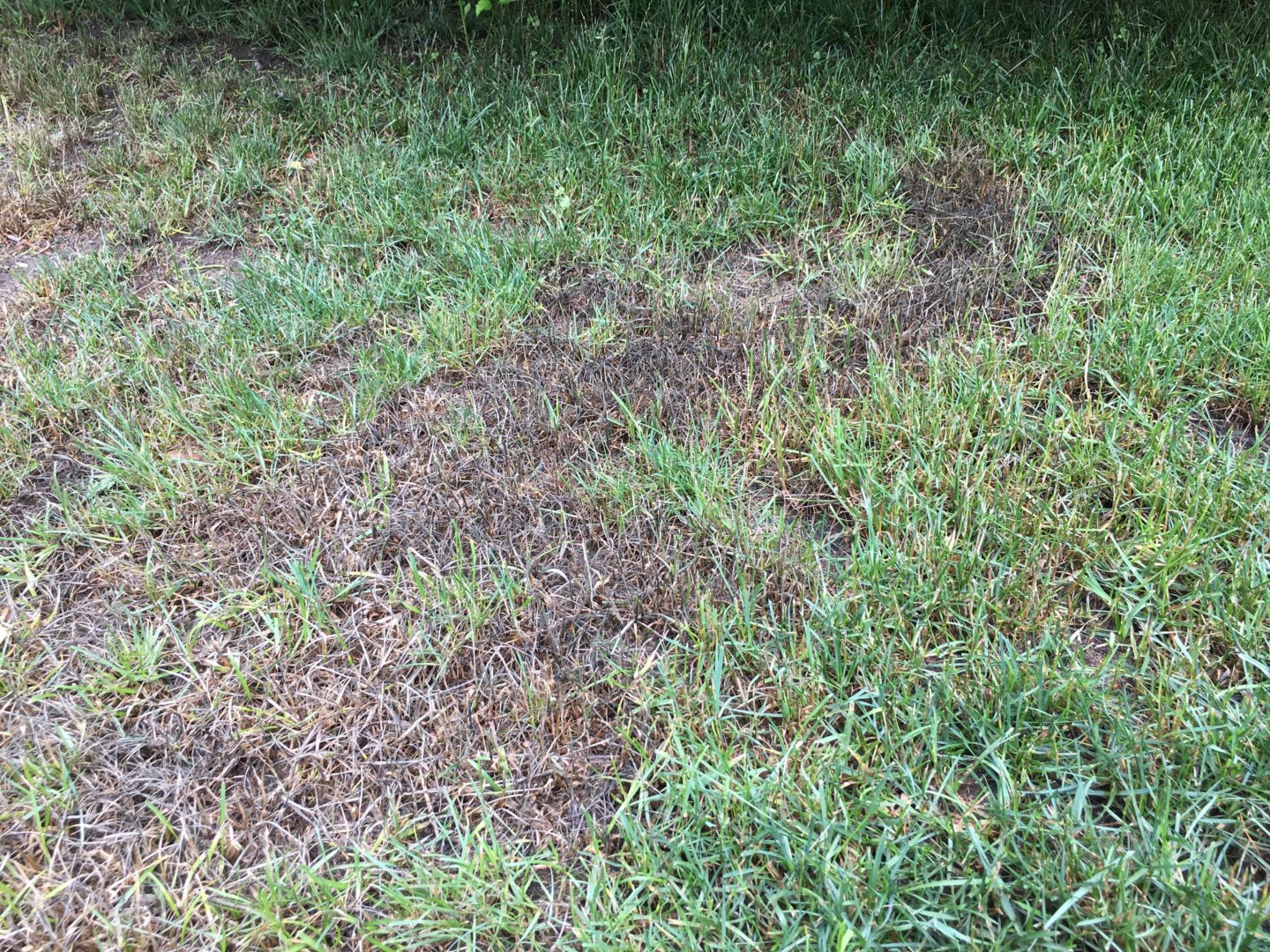
Salt damage along a sidewalk

If you have been wondering what sort of impact so much snow will have on the average lawn come spring, switch gears and think of salt and plowing.  Unfortunately, where there is smoke there is often fire- where we have lots of snow- there has been plowing and salt use.  A winter like the one we are currently experiencing means rock salt is going down everywhere- especially on roads, parking lots, and sideways.  With so much rock salt use, the pure tonnage used during the winter means your soil will have problems this spring.  In large quantities, salt causes soil to harden and upsets the normal flow of liquid into surrounding plant roots like your lawn, tree, and shrubs.  Generally, a decent snow cover protects your lawn from the drying winds and low temperatures common to winter weather.  However, if large amounts of rock salt are used, foliage and plants are likely to suffer damage.  Visible damage will become apparent in April as the snow recedes to expose a seemingly lifeless landscape of brown.

The likelihood of a salt spray coming into contact with tree or shrub foliage increases dramatically with each passing snow or ice storm.  This fact is especially true if you live on a main road or one which has town services such as salting.   The resulting contact with a salt solution lifted up by passing cars can cause a reduction in cold hardiness of tree buds, especially evergreen needles like those on an Arborvitae.  In the world of grass, salt upsets the balance of water and the ability of it to pass into the root system.  The resulting affect of too much rock salt on a lawn is a drought like condition where ample water simply cannot be used- despite wet soil conditions or standing water.

The later in the season salt is used, the greater the damage.  Using ice melts low in chlorides, especially calcium or sodium chloride should be avoided due to their enhanced plant killing abilities.  CMA’s or blends of plant friendly ice melts are much less harmful and while they may not avoid all damage, greatly reduce the amount likely to occur.

To help offset sodium chloride (rock salt) in a lawn or soil area, use high calcium lime to displace the sodium by leaching with adequate amounts of spring rain/snow melt.  Although not a miracle cure, the chemistry works out pretty good versus using gypsum which only further acidifies the soil environment.  If you plan on liming this year or have used too much rock salt, have your lawn limed with a high calcium lime- not a standard pelletized lime.  Turf loves calcium, a slightly acidic pH, and a softer soil improved by using only calcium based lime.  I only offer a high calcium lime for not only the aforementioned reasons but for other benefits to a lawn system.

With March on our doorstep, spring is more than just a thought, its reality.  Prepare for the plow and salt damage now before the opportunity passes as early spring fades into Memorial Day weekend!

Plow damage can be most upsetting

Prepare your lawn for spring in NH & VT

Soon my friend, soon you will cut again!

Spring is technically only a mere 4 weeks away on the calendar!  Although you are not likely to be planting any vegetables or flowers outdoors close to March 20th, the countdown to spring is on.  In the world of grass, those pesky snow banks are likely to linger well into April in our geographic region.  One can almost taste that first day when the air temperature reaches the mid or upper 50’s only to be surrounded by dark, crusty black snow banks.  Your first instinct may be to grab a rake and cleanup some of the debris left by winter wind and snow plows.  Raking even a small portion of your lawn can be therapeutic, signaling the end of white and the beginning of green.

Further raking will assist in air circulation and a drying of the lawn surface where snow mold, ice, and mice may have caused damage.  Removal of surface debris such as gravel, leaves, and branches will allow sunlight to warm the soil which will in turn stimulate green leaf blades in your lawn.  You may find mole hills as they search for insects and their favorite meal worms- in the top 6 inches of the soil.

Be careful not to apply a crabgrass barrier too soon or at a heavy rate in the spring to damaged or diseased turf.  Such an application can have an adverse affect on recovery and spring seeding/repair plans.  In addition, an early crabgrass barrier will run out of steam that much earlier in the summer, potentially giving rise to annual weeds and crabgrass in July.  One option is to lightly fertilize with a compost tea, sea kelp, or a pure blend of straight fertilizer to enhance recovery in April.  If “crabgrass control” is still a necessity, you still have plenty of time in May to apply such a product and maintain decent suppression.  As always, the best defense against crabgrass or even broadleaf weeds is a thick, healthy lawn resulting from proper cultural techniques in addition to turf health care treatments.

If you have not aerated your lawn in the past few years, or don’t even know what core aeration is, consider aerating this spring.  Core aeration is an effective way to help reduce compaction/thatch while increasing air, moisture, and nutrient availability to the lawn.  Heavy duty commercial grade aerators do a marvelous job at removing plugs and depositing them on the surface due to their heavy weight and large tines.  Overseeding after an aeration is a terrific time to thicken up those thin or weak areas in your lawn.

Ten Reasons to improve your lawn in NH or VT

Published by mrgrass2 on January 25th, 2011 - in Lawn Care Companies, Misc.


The Environment #10 and #9

#10  A healthy lawn reduces water runoff and soil erosion which in turns protects our lakes and streams from sediment moving from the land into the water.  Turf is a living filter which protects ground water quality through a vast network of roots, thatch, and leaves.  There are many lawn products that can be used close to or up to the water without harming that ecosystem such as lime, kelp, and further back slow release products.

#9  A healthy lawn will absorb 6 times as much rainfall as a common hay-field.  A healthy lawn entraps pollutants and with the help of soil microbes, biodegrades them safely.  Coating grass seed with mycorrhizae improves turf defensive capabilities against insects and disease issues often reducing the need for fertilizer in a calendar year.  Compost tea is a perfect example of how to improve the soil and help your lawn simultaneously.


Functional Benefits #8 thru #4

#8  A healthy lawn dissipates heat and reduces the energy required to cool homes and buildings- thus saving energy.

#7  Turf grass abates noise and reduces glare.

#6  A mown lawn decreases disease carrying ticks and reduces fire hazards near wooded areas.

#5  Well maintained turf grass reduces injury from sports played at home, school, or elsewhere.

#4  A well cared for lawn is actually a low-cost asset that can be physically used or enjoyed for pure viewing pleasure.

Health  #3 thru #1

#3  Studies show the cycle of growing grass and the color green lift human spirits and provide both thoughts and feelings of happiness, privacy, and serenity.

#2  Well maintained turf is known to have therapeutic effects on humans as measured by heart rate and blood pressure- increasing recovery rate of hospital patients.

#1  Hiring a licensed, experienced turf professional will help you accomplish some if not all of the benefits above while insuring the job is done correctly.  Free up valuable time and spend it with your family or friends!

As you can gather, grass is simply more than just a lawn!  Winter is the perfect time to explore the advantages of utilizing the skills of your local turf care provider.  Perhaps this is the year to explore natural or organic products?  Stop guessing and wondering if you are putting down too much or too little material while wasting your valuable Saturday or Sunday.  Send that e-mail or make that phone call today and get your lawn on the right path in 2011.

Time to review and renew your 2011 lawn care program

Published by mrgrass2 on January 3rd, 2011 - in Lawn Care Companies

The winter months bring back not so distant visions of once green lawns and surrounding trees.  As odd as it may seem, scheduling any kind of lawn program while snow is on the ground is actually a sound process.  There are many good reasons to activate a lawn or plant health care program during the winter to insure prompt service once mud season arrives. 

Review your lawn proposal this winter

The weather plays a large role in the spring as to what and when certain treatments can be done- mostly due to temperature and moisture.  High heat speeds up insect, weed, and disease development- in some cases by weeks not days.  While this may not seem of great importance, temperature plays a huge role in advancing or retarding certain pathogens, ultimately affecting your landscape.  If you do not have a program “online”- ready to go- this timeframe can easily be missed.  Cold weather can slow down the ability of your lawn to recover and green up fast.  The later the first application of fertilizer, compost tea, or lime is applied, your grass is missing vital time for improved color and recovery from winter damage.

I have seen several years where the temperature rose into the high 70’s to lower 80’s in April and May- making some types of weed control applications harmful to turf without proper precautions.  The same can be said about not scheduling early plant health care sprays- you simply miss the window of opportunity for obtaining decent results on a variety of insect and disease issues.

Moisture content can wreak havoc on turf and shrubs in the spring- especially if the spring is cold and rainy.  Such weather greatly advances snow molds and leaf spot on turf while creating apple scab on fruit trees.  Low moisture can reduce seed germination without proper irrigation if aeration and overseeding are done in May or June.  Having overseeding or aeration already scheduled during the winter insures they can be completed at the proper time frame in the spring since they are already booked.  A great green care company will watch weather trends and activate services during the appropriate time frame- you deserve this kind of service.

Timing is the third reason to have your program already setup during the winter.  Many applications have a narrow window of opportunity and if missed, results suffer such as pre-emergent crabgrass control or broadleaf weed control.  Soil temperature and timing are very important on these kinds of applications.  If you think you may remember to call- it may already be to late- spring is a crazy time of year.  Another fabulous reason to schedule your green care treatments during the winter includes a signing bonus if available or a prepay offer for sending in the contract early.  Look for these kinds of financial incentives in addition to a high quality- diversified green care company.

If you have not read the “researching a lawn care company” series on this blog- be sure to check them out since they were statistically the most read in 2010!

Last minute fall lawn projects

A wonderful Turkey on a nice lawn!


Its quarter to Thanksgiving and you are fully engulfed in travel preparations, shopping, and cooking plans.  As the air cools there is little time to make sure your lawn is ready for winter.  Was the last mowing 2 months ago or in October?  Some projects can wait while others should be done before the snow flies!  Here is a quick five step list that is given in order of importance, with 1 being the most important!

5.  Change the oil on your mower, clean the air filter, inspect the spark plug, and lubricate the blade and undercarriage in preparation for an easy first mowing.

4.  Take the time to review your 2011 lawn health care proposal or contract during the winter so come spring time, your turf will receive the care it needs at the appropriate time.  Like reviewing seed catalogs for your garden, lots of planning can be done concerning your lawn during the winter in preparation for a busy spring.

3.  Mark or have your driveway marked with colored stakes along the edge of the lawn so the plow guy minimizes shredding the edges.  Grass growing along a driveway is prime crabgrass growing area, especially if you need to seed in the spring or replace torn up turf chunks.  Nothing says sadness than viewing former pieces of healthy sod upside down with a light gravel coating in April!

2.  Rake and or remove any debris piles.  Piles of leaves, wood, tarps, branches, gravel- anything that stops an air exchange steps up winter kill and dead patches come spring time.

1.  Mow the lawn shorter than usual. 1.5 to 2” is great.  A shorter cut helps prevent leaves from accumulating in piles as the wind moves them across your nicely trimmed, semi- dormant turf.  A shorter cut helps with snow mold and ice damage and provides a faster green up in the spring allowing the sun to warm the soil quicker.

Wishing each of you a safe and relaxing Thanksgiving holiday!

How to shop for a new lawn service in 2011

Published by mrgrass2 on November 10th, 2010 - in Lawn Care Companies, Misc.

The holidays are right around the corner and the last thought on your mind might be preparing or even considering your lawn service in 2011.  Let’s face it, the growing season is practically finished and your mower may well be stored away with visions of cutting next spring.  Until then, your once green carpet takes a back seat to turkey, skiing, and ice skates versus what kind lawn company to use in 2011.

If you already use a national lawn care chain like Trugreen, you will likely receive several pre-pay letters or contacts beginning in November with possibly a second in December or January.  This proposal will outline your 2010 lawn treatments and duplicate it for 2011 with an incentive for pre-paying.  Statistically, most customers will not respond to this letter never mind prepaying for the entire year.  In fact, many will seize this opportunity to return the letter with a note containing the word “cancel”.

For smaller lawn care firms, their accounts are scrupulously reviewed in the late fall where additions, modifications, and recommendations are made before sending out a fresh lawn proposal for 2011.  Many companies will also reward their customer’s for prepaying and for choosing multiple services like a Plant Health Care program for the tree and shrubs in the landscape in conjunction with the turf program.  Chipper’s has offered these valuable incentives in the past to its client base.  Reviewing the account history for each individual client for 2011 is of paramount importance as it increases future results through necessary turf program adjustments before sending out any new proposal.  Such actions help insure the highest quality turf program through comprehensive annual review versus a simplistic recycling of treatments year after year.

There is plenty of time to review your turf program over the winter with no need to rush your decision.  Perhaps 2011 may be the year to receive a fresh, second opinion from a smaller company where the total dollars spent is relative to actual needs and desired results.  Late fall or early winter is a great time to collect this type of information before the lawn is snow-covered.  While there are plenty of cheeseburger, one size fits all lawn care companies out there, see if you can find one that really tailors the whole package; results, experience, and your budget.

© Copyright 2009-2012 Chippers, Inc. All Rights Reserved.