Posts Tagged ‘nematodes’

Grubs are eating your lawn right now!

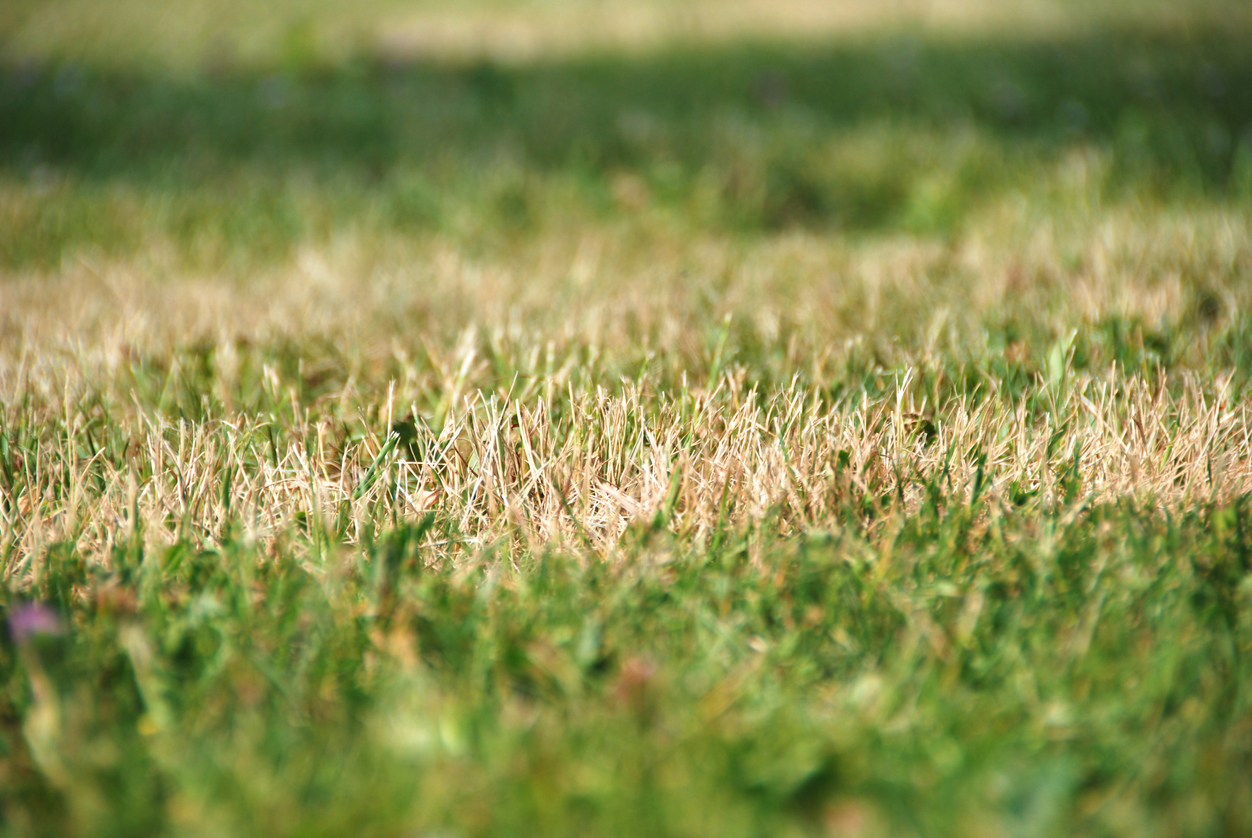
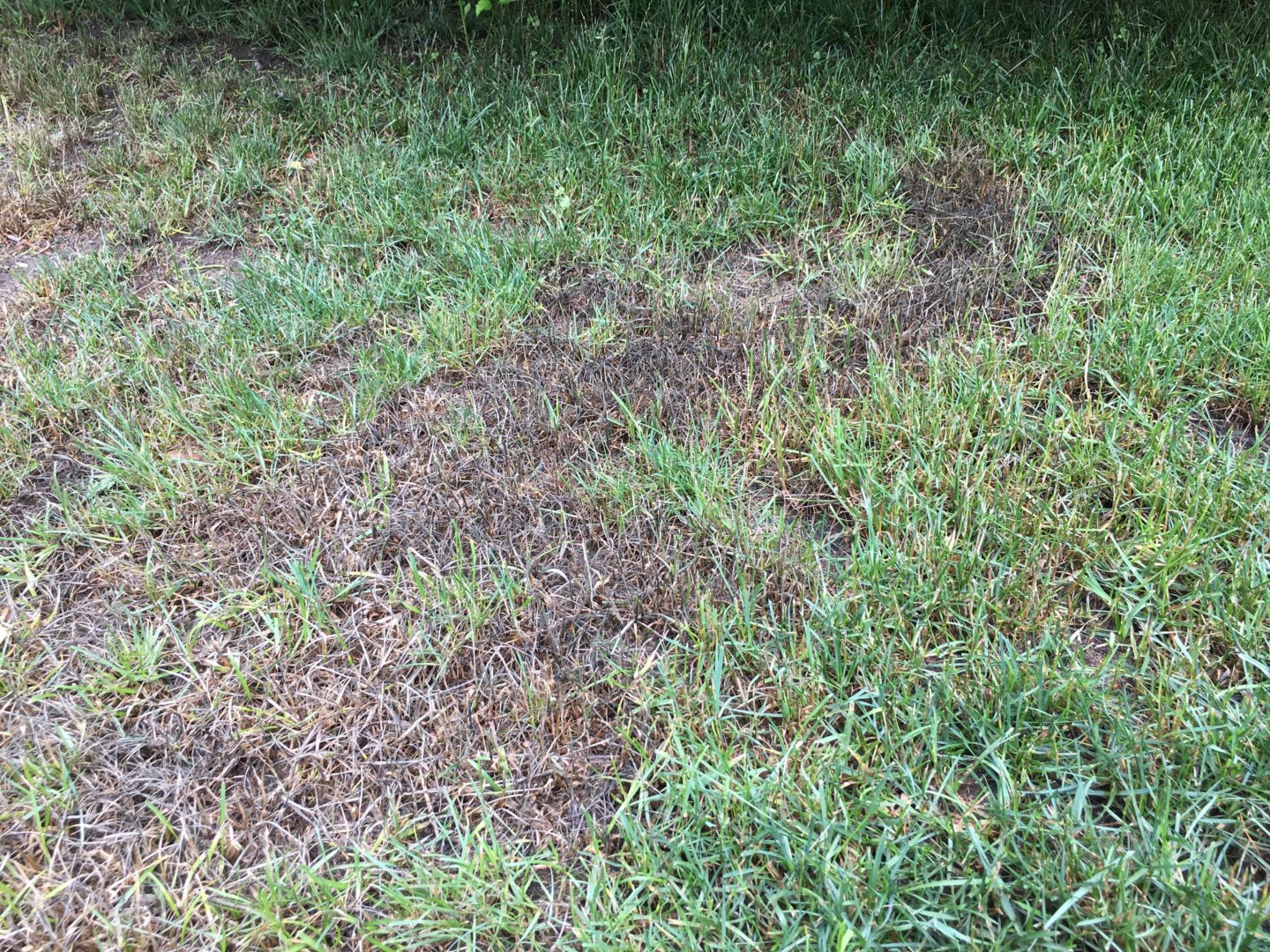
Grub damage in a lawn

Grubs love a sunny lawn with warm soil


Grubs in your lawn right now and into the fall are likely hidden beneath brown grass.  While crows and skunks may alert you to this lawn problem, grubs are growing fat thanks to the hot, dry summer.  Grubs destroy the root system (or whatever it is they do!) so it is important to take action against this lawn pest. What is a home owner to do?

Take action this fall before winter arrives.  To reduce the grub population, your lawn can be sprayed several times with cedar oil for an organic approach or more traditional products can be applied. One hundred percent control should not be expected since the larger the grub, the harder they are to knock down.  Any reduction in the population will be helpful, especially if you have animals digging on a nightly basis.  The same method of grub reduction can be employed next spring for additional results.  I do not normally endorse wide spread use of preventative action toward insects in general, mostly because in a normal year insects are usually kept in balance. However, this dry, hot year is anything but normal, so added control measures are certainly prudent.  The best approach for lawns with a history of insect damage would be to consider a preventative treatment in 2013 which will provide the highest degree of satisfaction.

If your lawn has experienced severe damage, renovations are better done this fall including seeding, topdressing, liming, and fertilizing to help set the stage for 2013.  Failure to repair damage this fall means you miss out on warm soil, cool nights, and generally warm days; ideal grass growing weather.  An added bonus is the absence of annual weeds and crabgrass which will not interfere with fall seeding results compared to waiting for the spring of 2013 when they will thrive.  In general, seeding is best done in the fall because of these important factors.

If you suspect your brown lawn has more than a water issue, give your local turf expert a call and get it checked out before you carve that Halloween pumpkin!

Lawn pests include grubs in NH & VT

The Japanese beetle will not only eat foliage, the grubs will eat your lawn!

There are about eight major types of grubs in NH and VT that cause turf damage, ranging from the classic Japanese beetle to a masked chafer.  Grubs will cause lawn damage plus the adults will devour ornamental shrubs and trees in your landscape.  The potential loss of your investment makes controlling the young and adult stage of these beetles a sensible decision.  Luckily, there are organic and new products available to help control these villains plus many others!

As always, the best defense is a good offense.  Healthy turf can withstand root pruning and even minor damage without a pesticide being applied – even an organic one.  Proper cultural practices, such as proper irrigation and a high 3” mowing height, also help keep your lawn cooler and less desirable to adult beetles.  Overseeding with resistant turf varieties makes the grass taste less desirable, not necessarily to grubs but to their buddies above ground like chinch bugs, sod webworm and such.

New and old research shows that compost tea actually helps grass develop its own immune response to reduce damage from both insect and disease activity. Although not an easy turf treatment, beneficial nematodes provide 100% organic control in the spring or fall.  Milky spore disease was developed a long time ago to control only Japanese beetle grubs, not the other seven.  Unfortunately, the spores take years to develop due to the cold New England winters.  As a result, Milky spore is not recommended by professionals as it simply does not work in NH or VT.

New organic pesticides that are ORMI certified contain capcaisin, the active ingredient in hot peppers. To obtain good results, and because the organic treatments are short-lived, multiple visits are required in the spring and fall to obtain predictable results.  Even organic pesticides require extensive licensing and certification in both NH and VT.  If you are considering “professional help,” be sure to ask for the company’s NHPC number in NH or license certification in VT before having any treatment done on your property- organic or otherwise!  The potential damage inflicted by an application remains substantial, even if the material used is 100% organic, with improper rates, training, and equipment.  In today’s economy, everyone with a pickup truck claims he is an organic landscaper but doesn’t have the credentials, insurance, or education to back up the temporary lettering.

For those ‘do-it-yourself’ folks, be careful what you purchase and use this spring.  For instance, “Grubex” is another name for Acelypryn, a great new product for controlling grubs and other harmful insects.  Unfortunately, if used at the wrong time, your application will not work due to the size and life stage of the pest you may desire to eliminate.  This factor underscores the importance of proper training and state certification where turf technicians must learn not only insect but local disease pests.

While the bag you buy at your hardware store may be well labeled for grubs, you may not be applying it at the right time or stage of the pest.  Said another way, just because the bag says it controls pests X, Y, and Z does not mean you are going to control them due to the time of year.  This type of activity would be the definition of a waste of money, time, and chemical.  Without the proper information on the life cycle of the pest you seek to destroy or reduce, applying home products is like shooting in the dark.

In summary, there are lots of ways to help your lawn look great, with the best and least environmental impact being the cultural and day to day upkeep of the turf.  Integrating resistant grasses during lawn overseeding/establishment and implementing organic or natural bacterial and friendly fungi are super tools with no harmful side effects.  In my opinion, pesticides should only be used as a last resort or when there may be a history of continual damage on a scale that would outweigh the omission of such products.  In other words, a $400 treatment outweighs a $5,000 renovation!

White grub suppression in your lawn

White grubs, a lawn problem


I say white grub population control because most folks will reach for the rifle the instant they see 1 or 2.  The fact remains that many more grubs should be visible before conducting warfare (9-12/sqft).  There are about 8 major types of grubs in NH/VT that cause turf damage ranging from the classic Japanese beetle to a masked chafer.

As always, the best defense is a good offense.  Healthy turf can withstand root pruning and even minor damage without a pesticide being applied.  Proper cultural practices also help keep your lawn cooler and less desirable to adult beetles like irrigation and a high mowing height.  Overseeding with resistant turf varieties can also help the turf taste less desirable, not necessarily for grubs but their buddies above ground like chinch bugs, sod webworm and such.

New and old research shows us that some compost tea/seed inoculation treatments actually help grass develop its own immune response to reduce damage from both insect and disease activity.  Beneficial nematodes, although not any easy turf treatment; provides 100% organic control by using these microscopic predatory worms in the spring or fall.  Milky spore disease was developed a long time ago to control only Japanese beetle grubs, not the other 7.  Unfortunately, the spores take years to spread/develop and the cold New England winters don’t allow for this disease to function well at all.  

There are new oil blend pesticides which are also organic or natural in composition which show promising results to white grub population control in a lawn setting.  The more traditional pesticides function in a variety of ways and vary in results.  Utilizing newer products over older ones are important to help reduce chemical resistance over time.  When using any pesticide, whether organic or synthetic- it is always important to read the label and use the product at the recommended rates as good environmental stewards.  Using the wrong product for the wrong pest is not only a massive waste of time; it’s a waste of money and most likely will harm beneficial insects.

In summary, there are lots of ways to help your lawn look great, with the best and least environmental impact being the cultural and day-to-day upkeep of the turf.  Integrating resistant grasses during lawn overseeding/establishment and implementing organic or natural bacterial and friendly fungi are super tools with no harmful side effects.  In my opinion, pesticides should only be used as a last resort or when there may be a history of continual damage in a scale that would outweigh the omission of such products.  In other words, a $400 treatment outweighs a $25,000 renovation for sure!

Control measures come back to each of our own expectations and threshold level of acceptable damage.  Are you willing to accept a little damage and forego pesticides or are you more inclined to try some organic options?  Planning now allows you to look at all available control measures since many have a narrow window of application and good results.

Milky Spore Lore & White Grubs in your lawn

According to a 2008 University of New Hampshire publication on Milky Spore disease, there are more reasons NOT to use this product than to use it in your home lawn.  Milky spore has been around for decades and was the first biological control means for Japanese beetle grubs.  Milky Spore comes in a powder and consists of a bacteria.  The first reason not to use milky spore was the design, it was manufactured to control ONLY Japanese beetle grubs- unfortunately there are many more!  Other turf damaging grubs in NH & VT include Asiatic beetles, European and masked chafers, June and May beetles and armyworms.  So now you understand that even if milky spore could work, you would be controlling one grub out of many, not good odds.

The second major issue not to use milky spore is you must have Japanese beetles in your lawn in sufficient numbers to promote the bacterial population enough to expand and spread out in the soil.  Therefore, if you do not have a large japanese beetle population, one where you would likely see damage- why bother?  The third reason not to use milky spore in NH and VT is the fact that soil temperature must be between 60 and 70 degrees for 3 months.  The high soil temperature necessary does not occur in our region and the bacteria can take over 4 to 5 years to build up, under ideal conditions, with a high population of Japanese beetles!  Wow!  You might want to go buy that lottery ticket today versus buying milky spore.

The Fourth reason not to use milky spore relates to how Japanese beetle grubs must ingest or eat the milky spore in the soil, not come into contact with, but eat it.  To summarize, even under ideal conditions, purchasing and using milky spore disease is a serious waste of money and time especially since there are more effective organic/biological methods like Nematodes. 

Nematodes are microscopic worms that are applied to the soil in a water spray.  The nematodes then swim and attack the grubs while swimming in water between the soil particles.  Nematodes will attack and destroy all of the grubs found in NH and VT listed above.  They will also attack sod webworms!  Since there is no “golden bullet”, Nematodes must be watered into the lawn or they will perish so that usually means applying them in the rain.  The soil must have sufficient moisture content and you must target the grubs at the right life cycle stage.  Having a professional apply Nematodes is the only true logistical option at this time, and our company does provide this service in our market area.

There are also a large range of new products on the market, some that do not even require a signal word because they are so applicator and environmentally friendly.  In some states like Vermont- you must have a pesticide license even if you are applying organic products since it is considered a pesticide even if it is organic.  Please keep in mind some organic products are just as dangerous or more so than some newer manufactured products.  There are several key points to remember before using any “pesticide”, the first being is a treatment required and why?  Secondly, what are the best material(s) to use for the job with the least impact to the environment and applicator.  Do we need to treat the entire lawn or just a portion of it?  Can we live with a small amount of damage and renovate later, only treating that one area or should we treat a larger area with a different product at a different time?  These are all questions best left to the professional because without knowing insect or disease life cycles, product components, mode of action, and application method- things can go wrong real quick.  This does not take into account the potential waste of material and use of a pesticide that should not have been used, regardless of composition.  Doing the right thing, at the right time is harder to do than you may think.

I do hope you have learned something new today or perhaps confirmed something you already believed in regarding grub control.  In any event, as fall fades into winter- be sure you are ready next spring because if you do have grubs- they will be waiting and you should have a game plan lined up this winter to address that very issue.  Thanks for visiting my humble blog!

Be sure to the visit this UNH video link  http://extension.unh.edu/agric/turf/media/lifecycl.htm

Excessive grub activity is going undetected in NH lawns

If your lawn is brown, don’t assume it is merely drought damage or continued drought given the dry weather pattern in NH.  Many lawns are being eaten right now by white grubs of all kinds.  White grubs are in bountiful numbers given the past dry, hot weather in NH & VT.  Unfortunately, many homeowners and commercial locations are not aware of this damage which will continue well into early November.  Many landscapers do not have the education or proper state certification and licensing to diagnose and treat complex lawn problems.  Left unchecked, grub damage can destroy sections if not entire lawn areas within weeks to months if left untreated.  The news gets worse!  These grubs will hide and wait until next spring, then the feeding will start again!  Many brown turf areas can be infested with grubs because many will assume the area was caused by drought and high heat.  While this may be true for some, other lawns will continue the downward spiral without appropriate action this fall or at best next spring.

Look for animals digging like crows, ravens, or skunks at night.  The turf will be easily uprooted since the root system is being attacked and cannot grow fast enough to anchor the grass to the surface.  Focus on sunny areas, along driveways or walkways.  Hot, or sunny areas are prime locations for beetles to lay their eggs for the next generation.  Your grass may be brown mixed in with green but when exposed, the trained eye can find grubs of varying sizes and types.  There are many products which can be used to control grubs including chemicals and nematodes.  Each claims success under various conditions and instructions to the home owner.  Don’t assume that picking up a bag at Lowes or the Home Depot will insure results.  Unfortunately, there are many products aimed at specific periods in the life cycle of grubs so a bag of ”Grub X or Milky Spore” applied in the fall does not mean it will work.  You must read the label or call a professional to determine if your $30 investment will actually work or just make you feel good.  If in doubt ask- don’t simply apply materials to your lawn without understanding the ramifications, that would not be environmentally responsible.  While grass is important, what you do to the environment is more important.  This is why professionals like myself must train, take written plus verbal exams by state agencies, and work in the field to gain “real world” experience.

Don’t let brown areas go unchecked, go call or e-mail a reputable lawn care company like mine.  Speak with a local professional with appropriate licensing and experience to give you the real answer.  Your lawn need not be damaged with proper information to back up appropriate action!

Mowing height & Grub control in NH.


Grub damage can be severe

June is typically a transition month from spring to summer.  In terms of your grass and lawn, now is a critical time to be aware of proper mowing height.  June also signals the ability to prevent potential insect damage like grubs in NH by treating your lawn yourself or hiring a lawn care company. 

Now is the ideal time to mow your lawn at 3 inches in both shade and sunny areas.  In the sun, mowing high will help promote deeper roots which can minimize drought stress and subsequent browning.  In the shade, longer grass maximizes the reduced sun light reaching the leaf so your lawn does better long term- reducing thinning.  Try to mulch your clippings back into the lawn to improve soil organic matter and soil structure.  Removing the clippings creates an unhealthy cycle as it takes away valuable minerals, nutrients, and bio-matter.

June signals the official start of preventive grub control applications in NH which can last until September with newer materials.  Many products now exist to combat a wide variety of grubs which can cause minor to major lawn damage.  This type of damage is especially true in the spring and fall when most of these pests will be in full assault- eating your lawn from beneath.  Grubs eat the root system of your lawn from below, unlike surface insects that may chew or pierce the plant from above.

Grub control is usually divided into preventative and curative care- both require specific timing and specific materials.  Don’t just assume buying a bag of something and sprinkling it on your lawn in June or July will solve your problems.  Most curative products are harsh and usually target a larger grub while preventative care sets the stage by applying a treatment for hatching eggs or a much smaller pest.  Preventative applications generally require less material and therefore are considered more environmentally friendly.  Many preventative products have a larger time span of use and also plain work better by achieving a much higher degree of control in NH.

A short statement on Milky Spore- Don’t use it in New Hampshire or Vermont, it does not work and is a massive waste of money.  Send me the check and I will at least send you a thank you note versus the chemical company taking your money and you have nothing in return.  If you want organic insect control for grubs- Nematodes is the route you want to go, and it is actually proven to work in NH & VT- unlike milky spore that does not.  The weather is too cold and that is all I will say on this product.

Be sure to read the label on any product you buy if you plan on treating your own lawn in NH for grubs because you want to have your timing correct.  Keep that mower blade sharp and cut high- it may be tough at first but you will enjoy the long term benefits of a nicer lawn.

Lawn care companies & Japanese Beetles, Grub Control, plus Milky Spore

There are many kinds of bugs that can damage or even destroy parts of your lawn such as the grub of the Japanese beetle.  While they may be out of sight underground, their appetites for turf roots cannot be easily satisfied.  As a result, browning usually occurs all the way to large areas of dead grass in the spring or fall.  How can you save your lawn?  Can this evil beetle and its associates be stopped?  Take a deep breath as we take a closer look at this villain and his underground buddies.

Exposed White Grubs

To begin with, you must start with the environment.  Grubs live underground therefore they are considered a subsurface insect pest, as opposed to a surface one- such as a chinch bug or perhaps cutworms.  This is important because what method and material you may use to target the grubs underground is vital.  So let us move onto timing.  When can you kill them?  Well, there is curative- you have grubs and they need to die now or preventative-  you may have them or are likely to in the future so you treat ahead of time as insurance.

Before you treat anything, ask yourself a question.  Do you really need to do this?  Many lawns will tolerate minor grub infestations and do just well.  Just because you found a few in your mulch beds or garden while digging does not make for an alien invasion or epidemic!  An average lawn will tolerate grub feeding and not all grubs eat turf.  So, before you pull out the tank and flame thrower, ask for some professional advice or at least consider the multitude of choices available.

Grub control products have progressed a great deal in the last few decades in terms of effectiveness, amount of active ingredient required, ease of application, and environmental impact.  Before I proceed forget about Milky Spore, it does not work in New England and should be outlawed.  Most registrations have elapsed or are revoked which is why there is only a few on the market even though there should be NONE.  There is not a shred of scientific evidence or proof that one grub can be killed by this magical elixir in NH or VT.  While I normally do not take such a harsh stand on a topic, I simply cannot stand on the side line while people throw their hard-earned money.  Both Universities in NH & VT agree with this statement since it is at their training seminars that Milky Spore is akin to curing all of your aches and pains with just one teaspoon of “Uncle Jacks wonder tonic”.  Let us move onto more productive conversation.

There are a handful of different materials that will virtually decimate a grub population when used properly.  Many of these control products are only required in small amounts and last months because they are taken into the grass plant up through the root system.  As a result, these control products are very effective and pose a minimal risk to user and the environment.  One new product in particular does not even require a signal word (Danger/Warning/Caution) this is unheard of in the turf or agricultural industry.  Most of these products can be applied alone or blended with a fertilizer for improved results.  Some studies show that with proper irrigation, soil moisture, and fertilizer- a lawn is better protected due to the ability of the grub control material to be readily taken into the turf via the root system.

Most preventative control products can be applied from late May all the way into September in some cases.  The stage of the grub and the material chosen is imperative because not all will work at specific times or stages.  This would be like trying to stop an elephant with a broom, it just is not going to happen verses say a bulldozer- the tool being used and the timing is very important.

Nematodes are being bred and are being touted as a very effective organic if not biological control of not only Japanese but dozens of other beetle grubs.  I plan on using nematodes this year in my program and have done enough research to at least give them a try based upon my findings.  If stuff does not work, I just won’t use it- period.  Sorry, but clients do expect results.  There are lots of important things which must be done in terms of timing, watering, volume etc- but there is no denying these boys are chemical free!  I will report back in a later post the results and findings of how these treatments went later this summer.

Now is the time to research and have your lawn treated if you have had grub damage or problems in the past.  Remember, adult Japanese beetles are very difficult to control since they are strong flyers.  Good hunting.

The following link sums up the importance of timing and life cycles when selecting control products:

http://www.golfdom.com/turfgrass-maintenance/know-your-enemy?page_id=2

What to expect in the month of June from your lawn.

Lawn insects can be controlled

June is typically a transition month from spring to summer.  In terms of your grass or lawn, it is a time to be aware of increasing heat, mowing height, and the potential of insect damage. 

Now is the time to raise your mowing height to 3-3.5” inches in both shade and sunny areas.  In the sun, mowing high will help promote deeper roots which can minimize drought stress and subsequent browning.  In the shade, longer grass maximizes the reduced sun light reaching the leaf so your lawn does better long term- reducing thinning.  As I stated in my prior post on high heat, don’t mow when it is hot out and irrigate “hot spots” if you can to help reduce or lessen the effects of drought and summer heat.

Insect damage can occur in June from a variety of critters from chinch bugs, late stage white grubs, cut worm, sod webworm, billbug, and ticks are annoying to pets and humans.  Many products exist to combat these insects which can cause minor to major lawn damage over a period of time.  This is especially true if your lawn is brown as many assume this is just heat or drought damage.  In fact, unusual browning within a green lawn can be a first visible symptom of insect activity.  Left untreated, some of these pests will have a second generation in August, multiplying exponentially from the spring generation.

Insect control is usually divided into surface- above the ground or subsurface, below the ground.  Many products are designed and should be used for different life stages and therefore are not interchangeable.  What kills ticks by definition will not control white grubs of Japanese beetles below the ground.  Also, trying to control certain grubs in July is futile given their life cycle or using the wrong product in the spring is just a waste of time with the wrong chemical in hand.  There is preventative insect care and then there is curative care- both require specific timing and specific materials.  Don’t just assume buying a bag of something and sprinkling it on your lawn in June will solve your problems.

A short statement on Milky Spore- Don’t use it in New England, it does not work and is a massive waste of money.  Send me the check and I will at least send you a thank you note versus the chemical company taking your money and you have nothing in return.  If you want organic insect control for grubs- Nematodes in the route you want to go, and it is actually proven to work in New Hampshire and Vermont- unlike milky spore that does not.   Luckily, I use nematodes so if you are interested in that product, send me a note or response and I would be happy to respond on the logistics of this kind of treatment.

Ticks and other surface insects often need a perimeter spray on your lawn and into the surrounding woods or field to create a barrier.  Many of these treatments are labeled for tick and other surface insects on your lawn like sod webworm, cutworm, chinch bugs and the rest of the gang.  When used as directed by a professional, great control can be gained with a few treatments during the growing season.  High populations of ticks often require several applications beginning in May into the summer months.

Another benefit of having a professional lawn care service like mine is the fact you get free monitoring during the season to inspect and bring to your attention potential issues.  My licensed, experienced technicians will observe and make a note to either you and or me as to action that may be required to prevent unacceptable damage.  Experience is the key here as I have said before in prior posts regarding employees of other, larger lawn care companies and the massive turnover they experience.

June is usually a great month to finish aeration, seeding, broadleaf weed control applications, grub control, tick control, high calcium lime, and a slow release fertilizer to prepare the grass for the upcoming summer.  Remember, you are supposed to enjoy your lawn, not be a slave to it.

© Copyright 2009-2012 Chippers, Inc. All Rights Reserved.