Posts Tagged ‘lawn mowing’

Don’t let matted leaves and early snow get you down

Clean up your yard before winter snow stays

Most folks got at least a few inches of snow this past weekend during a record setting October snow storm.  The impact on your lawn can be summed up in a few basic scenarios with the first involving moderate to substantial leaf litter on the ground now snow covered.  Left uncollected, these piles of leaves can be trouble for your lawn as colder weather approaches with snow that will not melt until spring.  As soon as you can remove leaf piles and other debris brought down by the heavy, wet snow you should plan on doing so to prevent smothering areas of your lawn.  The thicker the leaf pile, the better it will mulch your grass leaving dead spots and bare areas next year.

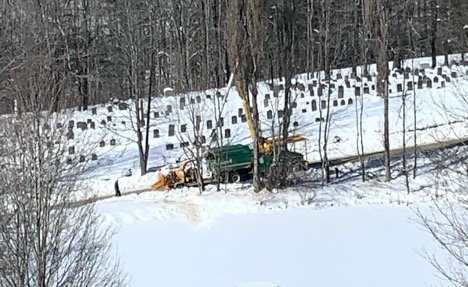
If you have your driveway plowed, now is a great time to put up stakes marking the edge of the lawn indicating the transition from gravel or pavement to grass.  Snow plow damage becomes visible in the spring time as snow recedes, exposing chunks of sod and grass tossed aside to dry out and die.  Without help, snow plow operators can have difficulty determining where your driveway ends and the lawn begins.  Such an error is commonplace during late night snow storms and can result in significant lawn damage.  Using posts, stakes, or sticks can provide a simple, yet effective signal and minimize or prevent the edge of your lawn from being “relocated”.

Even though it is now November, if you got caught with your lawn still needing another cut- say over 3” in height- don’t feel odd pulling out your mower for one last farewell mowing.  Many folks can remove leaves and mow simultaneously so this is a great opportunity to “get two birds with one stone” as the saying goes.  A clean, short cut in November is one way you can say “I love you” to your lawn before the onset of winter.

Many tree limbs were damaged by the weight of the snow with leaves still turning colors, many still green!  Be sure to have those branches cleanly pruned to help reduce future insect and disease damage.  Of course, remove as many downed branches on your lawn as possible, leaving the lawn surface as clean as possible before winter truly arrives.  Completing these basic housekeeping items can give your landscape the edge it might need to survive an unpredictable winter.

July lawn tips, what to do when you take a vacation

A few easy steps can save your lawn during summer vacation

July is a month where your home lawn can be easily neglected due to many New Englanders seeking out the beach or mountain lakes on summer vacation.  There is a short checklist that can prevent some issues and provide peace of mind while you are away enjoying those early morning beach walks.

Before you depart, make sure your lawn is cut the day before you leave if possible.  If you have a mowing service, the task of mowing is not really an issue.  If you mow yourself, a cut the day before will normally give you a solid 7 to 10 day time frame in which to return without the lawn having grown too long.  In fact, during a hot July period, it is better to go 2 weeks without mowing if the air temperature is in the 80’s and rainfall is absent.  If you return and your grass is really tall, such as over 6”, removal of your clippings is recommended or be sure to rake up the rows of cut grass.

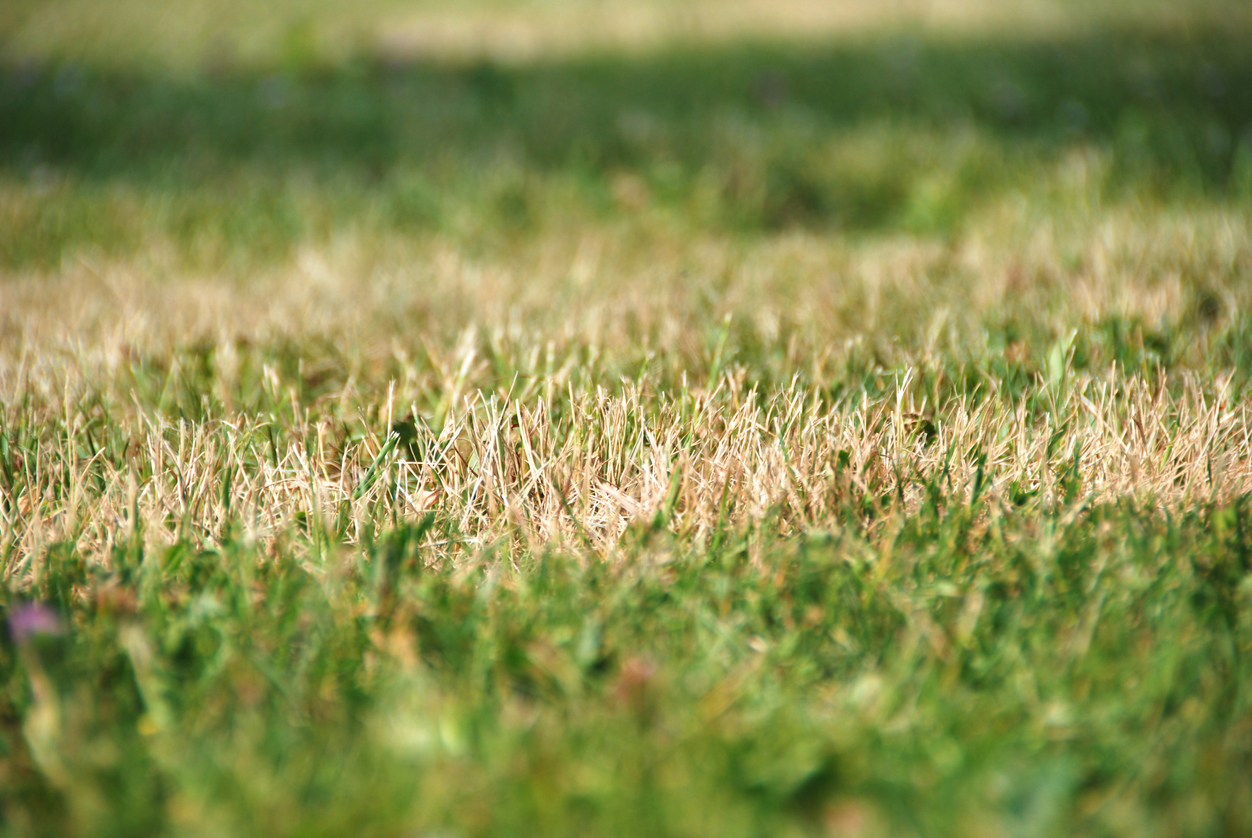
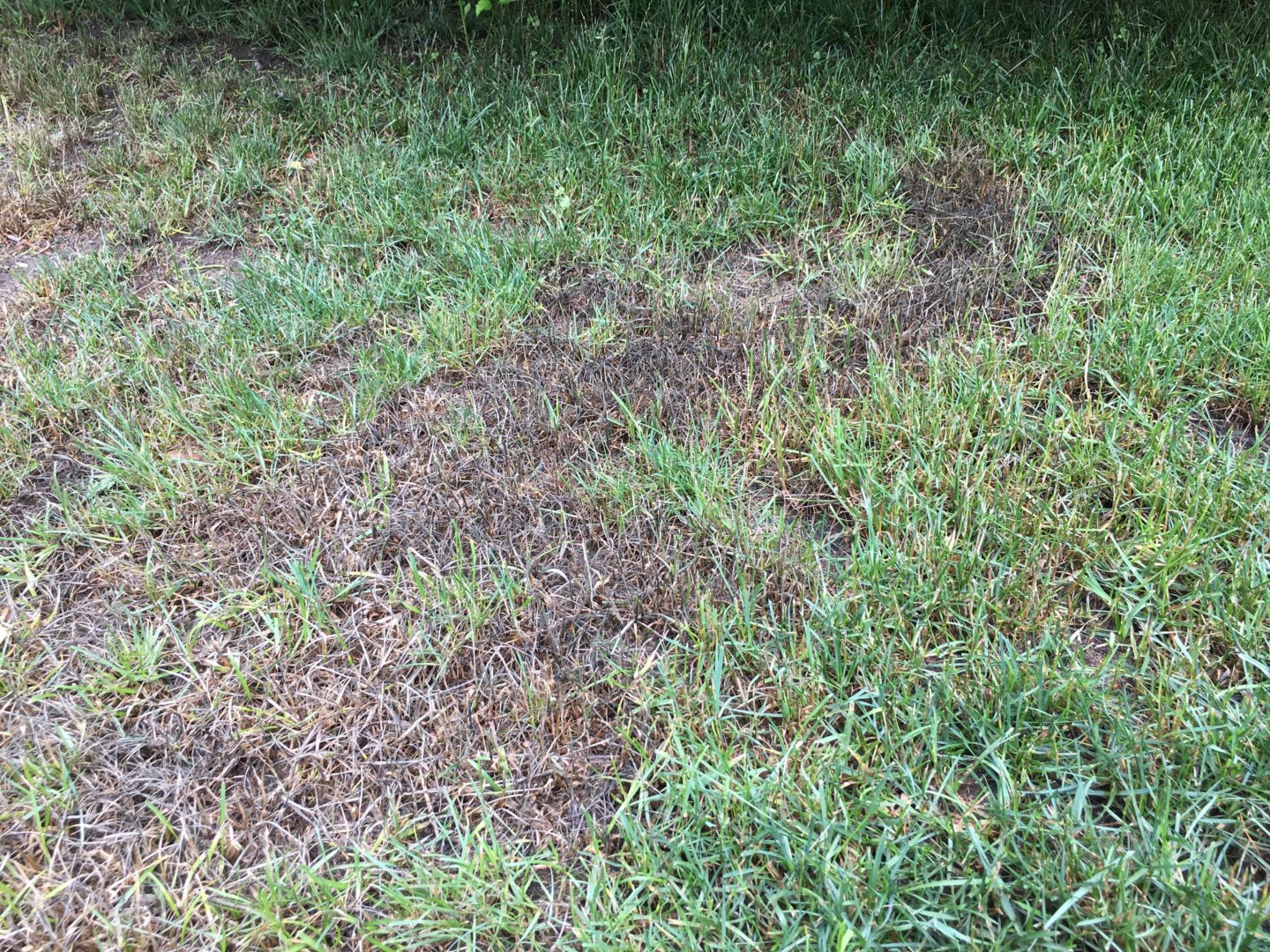
Have your lawn inspected for insect activity; left unchecked, under ideal weather conditions you can lose a lawn in days without curative action.  I have seen a number of lawns with sod webworm damage with the characteristic tan moth taking flight as you walk near.  These small patches are fist size in nature and can coalesce into larger stripes or patches if not treated during the summer months.

Although this season has been on the humid and warm side, promoting diseases over insect activity, a professional lawn evaluation is worth the peace of mind.  If your lawn has confirmed disease issues, it may well be worth a fungicide application to “clean things up” during the July/August period where serious injury can occur.  Summer diseases can easily appear to be drought or insect activity.  Hot weather and warm nights can bring on blotches and spots in mere hours without you realizing the culprit.  You may awake and look out the kitchen window only to ask “Those patches were not there yesterday, were they?”  Thatchy lawns are particularly prone to summer patch diseases, manifesting as scars and pits when placed under stress.

Irrigation or lawn watering is helpful during dry periods but is not necessary during a standard summer vacation.  If you have a sprinkler system or a friend to water, be sure to water in the am or day versus late afternoon, thus minimizing disease issues.  As always, infrequent deep watering is preferred over frequent light watering to promote deeper root systems and minimize disease.  A 1hr watering every other day is generally preferred over a daily 15 minute watering.  Don’t let your lawn stop you from enjoying a great July summer vacation.

Preparing your lawn for summer

Published by mrgrass2 on June 20th, 2011 - in Cultural Practices, Misc.


Proper mowing height is the single most important thing you can do to your lawn

As June fades into July, there are definite guidelines on what you, as a homeowner should do and not do as it relates to your lawn.  The most important and often discarded piece of valuable turf information is mowing height.  Like a doctor speaking with a patient, mowing is one of the most important pieces of advice a homeowner can follow.  Even if you have your lawn professionally cut, this does not automatically mean the job will be done right.  I have seen too many commercial lawns scalped or mown below 2” during the summer, only to become stressed weakened and prone to both weeds and crabgrass.

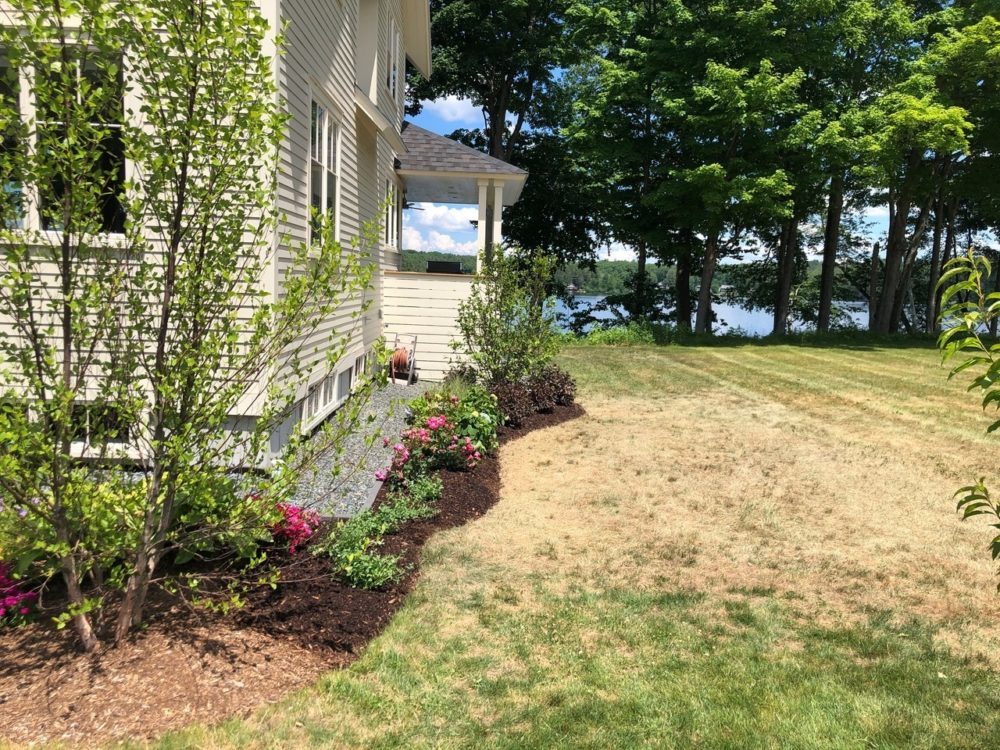
So what is the ideal summer cut?  For most lawns, sun or shaded situations call for a high cut at 3” or maybe a little higher.  Sunny areas are prone to stress when cut in the middle of a hot day, predisposing them to all kinds of heat and mower stress.  As the grass is cut, depending upon the sharpness of the blade, the leaves lose water and can brown with the increased moisture demand.  Said another way, if you cut something, it bleeds – in this case a grass blade is mostly water.  When a mower cuts it, especially during the day, and below 2”, the lawn loses moisture rapidly.  If the soil is dry and cannot support replacing this moisture loss, you can see browning the same day or shortly thereafter.  These areas can appear as brown patches, yellowing, or widespread discoloration depending upon the time and day temperature.

The shorter the mowing height, especially as it approaches the 1” level, the more substantial damage can be caused from June through August.  The shorter the cut, the hotter the soil becomes, causing weed seeds to germinate.  Any pre-emergent barrier that may have been put down pre-maturely degrades, allowing weeds to germinate unnecessarily.  Removal of grass clippings may provide an aesthetically pleasing view, but it removes critical organic matter week after week.  There may be an occasion for this procedure, but on the whole, grass clippings should be mulched and returned to the lawn surface like leaves falling in a forest.  This way, whatever energy and professional care you are putting into your lawn will not go to waste but will provide the most benefit possible.

© Copyright 2009-2012 Chippers, Inc. All Rights Reserved.