Posts Tagged ‘lawn debris’

Prepare your lawn for spring in NH & VT

Soon my friend, soon you will cut again!

Spring is technically only a mere 4 weeks away on the calendar!  Although you are not likely to be planting any vegetables or flowers outdoors close to March 20th, the countdown to spring is on.  In the world of grass, those pesky snow banks are likely to linger well into April in our geographic region.  One can almost taste that first day when the air temperature reaches the mid or upper 50’s only to be surrounded by dark, crusty black snow banks.  Your first instinct may be to grab a rake and cleanup some of the debris left by winter wind and snow plows.  Raking even a small portion of your lawn can be therapeutic, signaling the end of white and the beginning of green.

Further raking will assist in air circulation and a drying of the lawn surface where snow mold, ice, and mice may have caused damage.  Removal of surface debris such as gravel, leaves, and branches will allow sunlight to warm the soil which will in turn stimulate green leaf blades in your lawn.  You may find mole hills as they search for insects and their favorite meal worms- in the top 6 inches of the soil.

Be careful not to apply a crabgrass barrier too soon or at a heavy rate in the spring to damaged or diseased turf.  Such an application can have an adverse affect on recovery and spring seeding/repair plans.  In addition, an early crabgrass barrier will run out of steam that much earlier in the summer, potentially giving rise to annual weeds and crabgrass in July.  One option is to lightly fertilize with a compost tea, sea kelp, or a pure blend of straight fertilizer to enhance recovery in April.  If “crabgrass control” is still a necessity, you still have plenty of time in May to apply such a product and maintain decent suppression.  As always, the best defense against crabgrass or even broadleaf weeds is a thick, healthy lawn resulting from proper cultural techniques in addition to turf health care treatments.

If you have not aerated your lawn in the past few years, or don’t even know what core aeration is, consider aerating this spring.  Core aeration is an effective way to help reduce compaction/thatch while increasing air, moisture, and nutrient availability to the lawn.  Heavy duty commercial grade aerators do a marvelous job at removing plugs and depositing them on the surface due to their heavy weight and large tines.  Overseeding after an aeration is a terrific time to thicken up those thin or weak areas in your lawn.

Snow Mold prevention, spraying is an option this fall

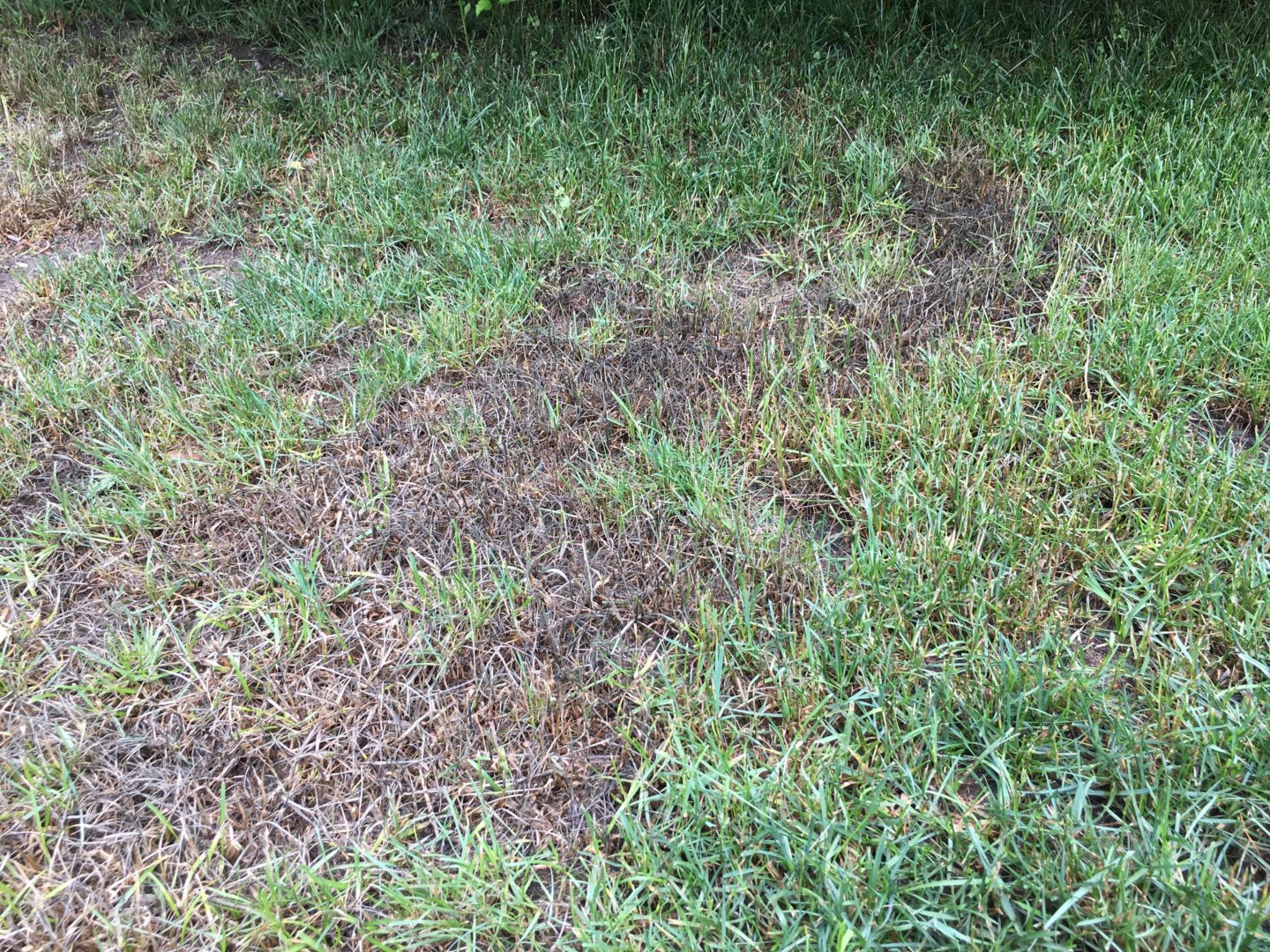
While snow mold disease may be annoying, it can kill turf dead under the right conditions.  Snow mold prevention usually means hardening your grass off in the fall with the proper lawn products like potassium, sea kelp, and calcium lime.  Mowing short helps reduce matting and can help minimize snow mold in home lawns.  Don’t shovel your snow into large piles where melting will be slow and create favorable conditions for the disease.  However, the fact remains that Gray & Pink snow mold are out there and given the right moisture content and temperature, along with the host being your lawn, things can get ugly- dead ugly.  I personally saw a lot of snow mold this past spring, most areas recovered but some did not due to the severity in NH and VT.

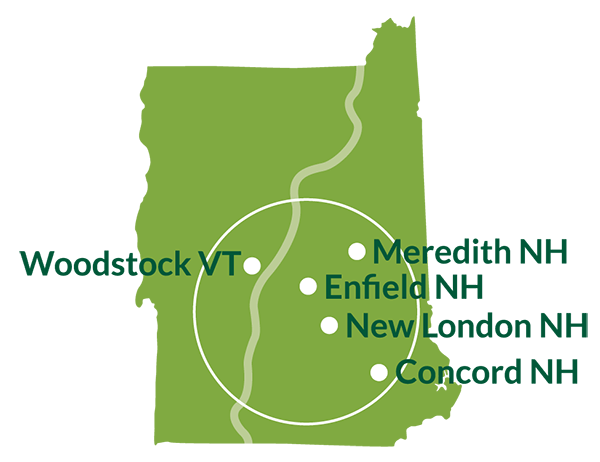
Snow mold comes in a range of colors including gray and pink being the most well-known.  Spraying for snow mold in a residential setting is not a common practice but may be helpful if your turf has had a few bad years.  The infection begins with spores in the thatch layer and old leaves and lawn debris.  Removing your leaves and grass debris at the end of the season is a super way to help reduce the source of infection.  Aeration can also help reduce snow mold disease as indicated by a report from Purdue University.  Many chronic factors such as long grass, debris, piles of leaves and other cultural problems help give rise to snow mold outbreaks.  Even under the best conditions, susceptible turf will become infected and if the weather cooperates, damage can occur in small patches to large areas.  Newly seeded lawn areas, those that have not gone through a winter are also susceptible to snow mold.  Spraying a fungicide can be a helpful measure to reduce snow mold if done in the late fall before snowfall.  If your lawn has suffered from snow mold in the past- for more than a few winters- you may wish to explore a preventative measure to help reduce damage visible in the spring such as a fungicide treatment this autumn (Nov-December).  Chippers is pleased to offer this kind of treatment for those residing within our service area.

© Copyright 2009-2012 Chippers, Inc. All Rights Reserved.