Posts Tagged ‘gray snow mold’

Snow mold in your home lawn

Published by mrgrass2 on October 24th, 2011 - in Cultural Practices, Turf Disease

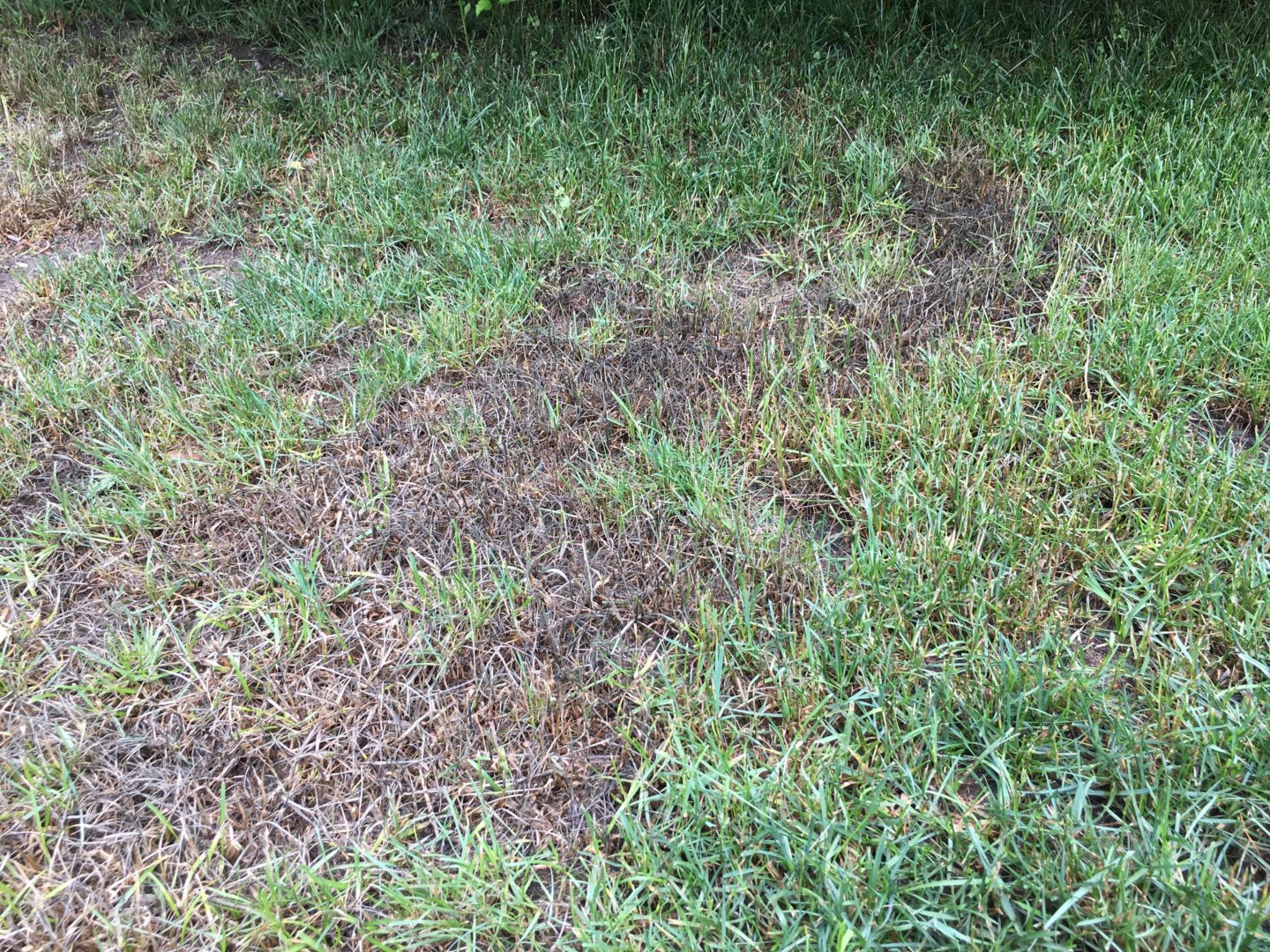
Classic visible snow mold damage

Cultural practices such as regular raking and mowing rank high on reducing snow mold in a home lawn setting during the fall.  Do not be tempted to cease mowing in October when a final cut should be done in November as the grass enters dormancy.  Not allowing leaf litter to accumulate or remain on the lawn as winter approaches is a great way to help minimize snow mold problems.  Cut your lawn a little shorter in late fall, as low as 1.5 inches to minimize matted grass and leaves.

Aerating will help reduce compaction and maintaining a slightly acidic soil pH will also help reduce pink snow mold.  Minimizing the amount of highly soluble nitrogen is also an important factor as succulent leaf blades are more susceptible as fall becomes winter.  Use of a slow release fertilizer while applying lower rates of nitrogen is a great solution if you have experienced snow mold problems in the past.

Gray and Pink snow mold are the two most widely known snow mold diseases in our geographic region.  Gray snow mold prefers actual snow cover while Pink can manifest itself just fine without snow so long as the moisture and temperature range are desirable.  Most snow molds become visible in March and can grow well into April with the appropriate weather conditions manifesting themselves in discolored patches ranging from 1-2ft to mere inches in diameter.  These patches can take on the appearance of cotton candy with colors ranging from gray, to pink, to white depending upon the time of day and type.

Reducing snow along your driveway, walkways, or minimizing large piles will help minimize gray snow mold at your home.  Fungicides should only be used as a last resort in a home lawn setting but can offer some protection with proper timing (late fall or early spring) and combination of products.  Creating a healthy lawn with a diverse turf grass population alongside proper cultural practices is going to be your best asset toward snow mold prevention.  If you do experience snow mold damage next spring, be sure to have your lawn aerated, raked, and fertilized to help maximize recovery of the affected areas.

What large piles of snow mean to your lawn this spring.

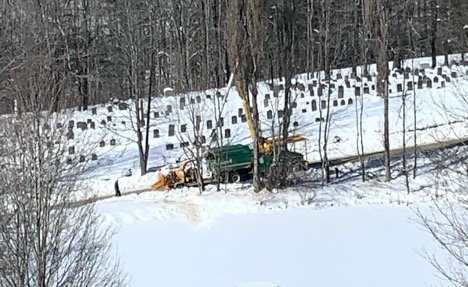
Snow banks promote turf damage

Many are wondering what sort of impact so much snow will have on the average lawn come spring.  Generally, a decent snow cover protects your lawn from the drying winds and low temperatures common to winter weather.  However, if that same snow becomes compacted by use such as walking or driving; the grass can be damaged while in a dormant state.  Winter-kill or winter damage can often be attributed to ice formation or compaction through use.  New grass planted the prior season is especially vulnerable since it has not had a chance to mature which may result in thinning or dead patches from a harsh winter.

Snow mold is a more widespread problem resulting in various degrees of turf damage and thinning.  As snow banks recede and the weather warms in March, snow mold can thrive on the surface where the moisture level is just right and the temperature remains cool.  Snow mold has a tendency to matt down grass which is why a gentle raking is so important to help dry out the lawn surface once the sun comes out.  Improving the air circulation at the ground level and helping warm the soil through raking is a basic, yet important spring time task.

Grass which is severely stressed, or perhaps growing in the shade may in fact be further damaged by a pre-emergent crabgrass barrier while in a weakened state.  Most manufacturers of crabgrass barriers recommend a reduced rate or waiting until recovery has begun in May versus a March or April application.  In some situations, providing a basic natural or slow release fertilizer can speed up the recovery time as the soil warms and the material gradually takes effect versus a quick flush of growth from conventional fertilizers.  Since there are many variations to winter kill, ice damage, and snow mold within the same lawn and surrounding neighbors- a single solution is often not practical.  Each lawn should be evaluated individually, not treated with a cookie cutter approach where one product fits all situations.

So, before you apply a hundred pounds of fertilizer mixed with a crabgrass preventer this spring- consider the additional stress you may add to an already weakened lawn.  If you have thin or bare sections created from snow mold or winter kill, once that crabgrass barrier is down, there is no turning back and no seeding until fall.  There is a saying that goes something like “think twice, then think again, then act once” . . .

Snow Mold prevention, spraying is an option this fall

While snow mold disease may be annoying, it can kill turf dead under the right conditions.  Snow mold prevention usually means hardening your grass off in the fall with the proper lawn products like potassium, sea kelp, and calcium lime.  Mowing short helps reduce matting and can help minimize snow mold in home lawns.  Don’t shovel your snow into large piles where melting will be slow and create favorable conditions for the disease.  However, the fact remains that Gray & Pink snow mold are out there and given the right moisture content and temperature, along with the host being your lawn, things can get ugly- dead ugly.  I personally saw a lot of snow mold this past spring, most areas recovered but some did not due to the severity in NH and VT.

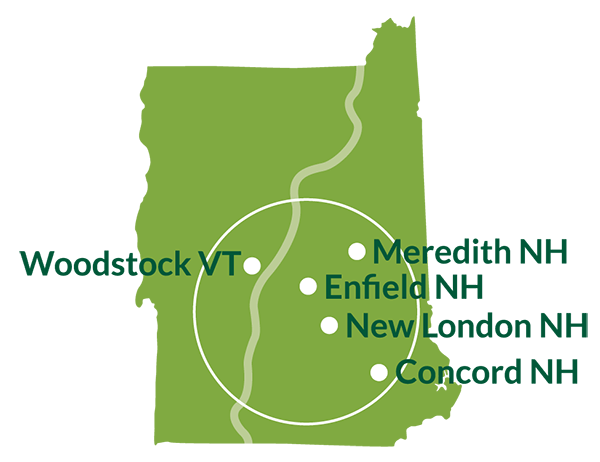
Snow mold comes in a range of colors including gray and pink being the most well-known.  Spraying for snow mold in a residential setting is not a common practice but may be helpful if your turf has had a few bad years.  The infection begins with spores in the thatch layer and old leaves and lawn debris.  Removing your leaves and grass debris at the end of the season is a super way to help reduce the source of infection.  Aeration can also help reduce snow mold disease as indicated by a report from Purdue University.  Many chronic factors such as long grass, debris, piles of leaves and other cultural problems help give rise to snow mold outbreaks.  Even under the best conditions, susceptible turf will become infected and if the weather cooperates, damage can occur in small patches to large areas.  Newly seeded lawn areas, those that have not gone through a winter are also susceptible to snow mold.  Spraying a fungicide can be a helpful measure to reduce snow mold if done in the late fall before snowfall.  If your lawn has suffered from snow mold in the past- for more than a few winters- you may wish to explore a preventative measure to help reduce damage visible in the spring such as a fungicide treatment this autumn (Nov-December).  Chippers is pleased to offer this kind of treatment for those residing within our service area.

© Copyright 2009-2012 Chippers, Inc. All Rights Reserved.