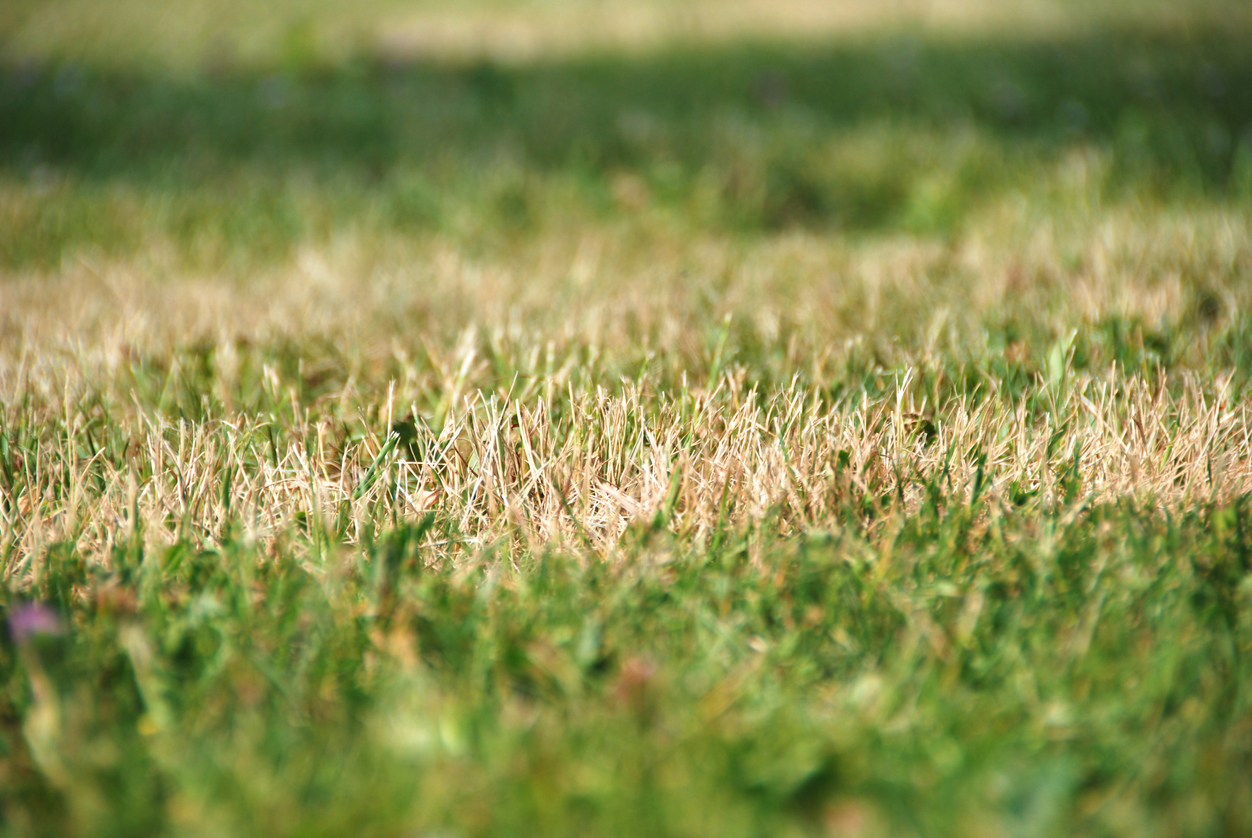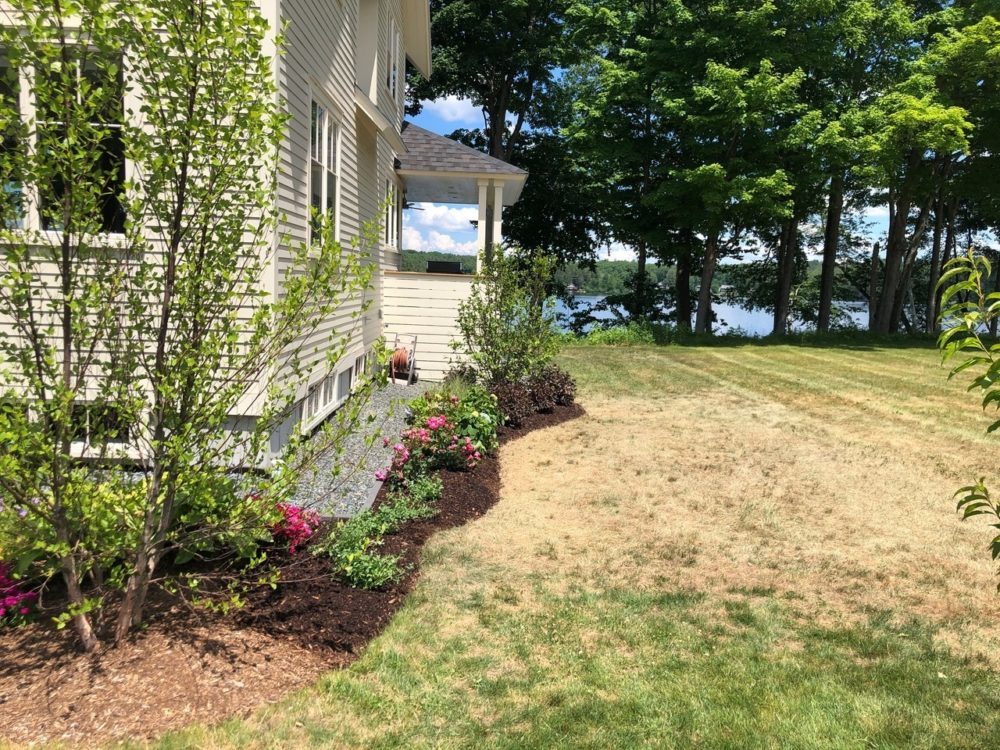
September is almost here! What plans to you have for your grass this fall? If you are like most people, you know something should be done, but just don’t know what is important. Like most lawns, summer can be a tragic event with high heat, summer weeds, crabgrass, and browning- a distasteful combination for sure! Don’t lose hope, things can be done to turn your lawn around before winter. Fall is an ideal time to consider several applications that will give you the most for your green dollar.
Start simple. Don’t tackle a lawn project without starting out simple. An easy fall lawn treatment would be lime. Lime has a multitude of benefits and helps fertilizer function better. Like a great hair conditioner lime raises soil pH thereby making most fertilizer nutrients more available to the turf roots. Since it is difficult to apply too much lime, this is a simple, hard to mess up application for the most part. Try to use high calcium limes or at the very least, pelletized dolomitic limestone. Stay away from crushed limestone as it makes a mess and takes a very long time to actually work – months upon months vs weeks for the others I mentioned. So if you do anything this fall, put a good- heavy application of lime down to sweeten your soil.
As your brown lawn comes out of dormancy it will be looking for nutrients to begin the recovery process. Like a multivitamin in waiting, your lawn will benefit tremendously from a balanced- slow release fertilizer. Don’t worry so much about the analysis (the numbers like 10-5-19 etc), but try to select a nice balanced product. There are more fertilizer combinations than ice cream flavors so don’t be intimidated.
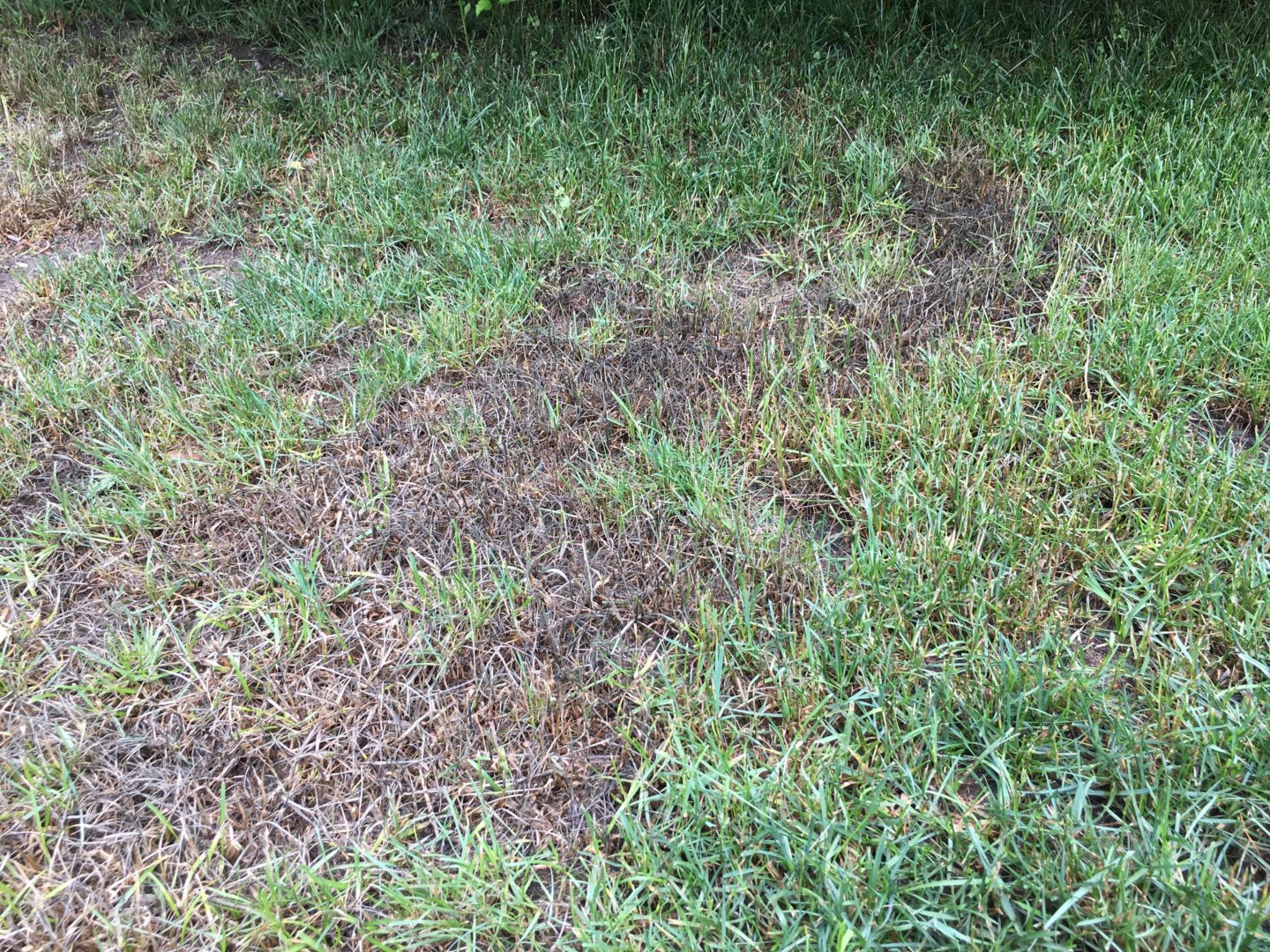
Aeration and overseeding are big fall treatments that can make substantial gains in a healthy lawn or one that has taken a hit due to drought and or thinning from disease or insect damage. Aeration will help with compaction, air, water, and nutrient availability plus it makes holes for overseeding. Overseeding will not establish a lawn but it will add superior turf to an existing lawn or a thin one. Topdressing and seeding can be used at the same time for bare patches or if small sections of the lawn have perished. Don’t be too quick in pronouncing grass dead- just because things are brown does not indicate dead turf. Most turf will brown out as a normal protective measure due to heat and or lack of moisture. Lots of grass can break this dormant period after cooler weather and some significant rain- this process just takes time- patience is key.
On the other hand, extended drought- short mowing- and or insect damage may result in turf thinning to all out destruction in a variety of sizes. If you are in doubt- have a professional check and give you the diagnosis before starting over from scratch something that can be come very time-consuming and expensive.
Broadleaf weed control can be used once weeds begin to grow. Annual weeds like crabgrass and spurge will die out on its own. Remember, most broadleaf weed control products will stress out turf- so only use this material as needed and at the right time. In addition, if you use broadleaf weed control- seeding and or overseeding can be delayed or postponed many weeks due to incompatibility issues. As a home owner, you must decide whether to aerate and overseed first and wait on weed control, or do you go after the weeds first and then aerate and overseed later in the fall. This is a fine dance and timing is important due to the onset of cooler weather and approaching frost/snow in November. If in doubt, ask someone in this kind of business first for advice. Once the material is down, you cannot take it back up and the delay may very well mean a missed opportunity.
A winterizer or a late season fertilizer treatment is a great application to help your grass store up energy for next spring. A late season potassium treatment is different from a winterizer being a balanced product. Potassium normally comes in a 0-0-62 blend, not a balanced product as compared to a winterizer that would be a 25-8-15 for example. The key to a late season application is so you don’t push a lot of new growth this year, but allow the lawn to store up the energy for next spring as a reserve. Potassium helps thicken cell walls and makes your lawn more resistant to drought, disease, and winter damage. Both applications are most useful when applied properly.
I hope this small post has inspired you to plan your attack this fall, after all, it is still early and lots can be done! Don’t let the fall slip away into winter, do some research- ask some questions, and get that grass looking better for 2011!