Archive for the ‘Aeration or Core Aeration’ Category

2013 Top 5 lawn treatments for your dollar spent

Most can agree that there are certainly some basics to really providing visible improvement in lawns, from color, to density, or reduced weeds.  If there was an overall wish list for lawn treatments, a list which highlighted the best of the best, the hardest working, the biggest bang for your buck; would you be interested?  I thought so.

Top 5 lawn treatments for your dollar

Without question, fertilizer is at the top of the list for several reasons.  First, grass appreciates the additional nutrient supply in order to improve color and increase growth both above and below ground.  You can serve up your fertilizer varying from slow release, all organic, a natural blend, or a conventional fast release product.  Each type of fertilizer has its advantages and disadvantages depending upon how fast you are trying to improve your lawn, your proximity to surface water/wells, or disposition for organic things in life.  The underlying focus of fertilizer is simple; give the lawn a boost to make it healthier by growing better than surrounding weeds.  This is where fertilizer needs some additional help in our wish list for the most beneficial lawn treatments for your money.

It may go without saying, but lime is not what your grandfather used to use back in the day.  In fact, lime has been formulated to address more than just a simple pH adjustment.  Since grass appreciates a slightly acidic pH (6.5 to 6.7) for maximum health, what else can lime do that you may not know?  I prefer a high calcium lime, pelletized for easy application and loaded with calcium to help improve the cation exchange in the soil.  Cation what you say?  Well, simply put – a high calcium lime actually helps soften soils, it’s a natural material to improve soil structure and this in turns makes growing roots a lot easier.  More roots, better lawn, thicker lawn!  Lime and fertilizer go together like peanut butter and jelly; they are good friends and do a lot for the dollar spent.

The third lawn application that is underrated but is more valuable than people realize is core aeration.  Yes, core aeration is a form of dethatching so don’t get too excited.  Core aeration is probably the single most beneficial non-chemical, all organic treatment you can do for your lawn.  I’m not talking about sweet little metal stars that you pull and rotate with your home lawn tractor.  I’m not talking about shoes with spikes in them where you walk around and believe in your deepest heart that this is the best form of aeration since color TV.  No, real core aeration physically pulls a 1” or so diameter core with hollow tines which goes down several inches and deposits a plug on the surface of the lawn.  The result is a grid of small holes in the lawn which then allows in air, lime, fertilizer, water, and a place to seed into!  Wow, I can feel the difference just writing about it.  Core aeration should be an annual, or every other year process to keep even a healthy lawn in check.  There is a good reason golf courses aerate all the time, it works!  Do yourself a favor in 2013, have your lawn aerated!  You’ll sleep better at night.

Sea kelp or Compost tea don’t normally come up at the dinner table when folks think about improving their lawns or when reviewing a conventional turf contract for the spring.  In fact, I’m sure every man would fall over if his wife or girlfriend turned to him at dinner and said, “Hey honey, why don’t we try sea kelp this year on the lawn?  I hear it is full of organic matter, amino acids, and good stuff like that!”  I myself might even shed a tear at such a revelation but most others would be petrified.  The fact remains, she is right – compost tea and sea kelp are super at providing micro-organisms like fungi and bacteria, exactly what most lawns lack from abuse or low organic matter after the house was built. Poor soil is one of the leading causes of nasty looking lawns and no matter how much fertilizer and lime is applied, your lawn will only rise to a mediocre level at best.  Adding compost tea and/or sea kelp is a great way to build up a healthier lawn from the soil up.  A great house must be built on a solid foundation, so must a lawn be grown from soil that is better than sand, gravel, back-fill, or compacted clay.  If you have never considered compost tea or sea kelp, give it some serious thought because whoever brings it up first at the dinner table wins!

The last treatment which ends this blog post and ends up coming in at the number five position is insect control.  I mean grubs below ground or chinch bugs on the surface.  Nothing will destroy your lawn without you noticing until the damage is done like insects.  Weeds cannot damage or kill a lawn like a grub infestation can.  While the hot, dry weather of 2012 behind us, the pests remain and will continue to wreak havoc in NH and VT lawns well into the early summer of 2013.  Please don’t waste your money on milky spore either, a product designed for use down south, not to mention it only works on one type of beetle under ideal conditions.  We have over a half dozen grub beetles in our growing area, so save the coin and have a treatment done professionally.  There are good organic products available for all of these pests as well as great newer treatments in a more conventional mode.  If you had insect problems in 2012 resulting in skunks digging and crows tearing up and tossing turf, get some help!

turf@chippersinc.com

Spring lawn checklist for 2013

  • Your spring lawn checklist should include a review of your 2013 turf contract this winter or spring to take advantage of any preseason savings and to insure the work will be scheduled on a timely basis.  Lawn care companies are expecting an unprecedented high volume of work due to the heat, drought, and insect damage of 2012.

2013 spring lawn checklist, review it closely.


  • Check for grubs or other past insect damage (treat accordingly).
  • Schedule any renovation work early, as the demand will quickly find quality companies becoming booked with spring work, leaving you with limited choices or having to wait until fall.
  • Schedule your spring core aeration if you skipped it in 2012.
  • Schedule your spring lime and crabgrass inhibitor to get your lawn off to a good start.
  • Watch for ticks in April and May as the adults emerge looking for a meal!
  • Wait until the ground warms sufficiently before attempting any seeding.  April seeding generally does not perform well due to cold soil temperatures, even in southern NH.
  • Remove any debris which may have covered your lawn and cause harm such as branches, piles of leaves, plowed up sod, or gravel along the driveway.
  • Mow your lawn to 1.5 to 2” to help speed up soil warming in the spring. .  If the cut is good, just give your lawn a good raking an early spring weekend.
  • Do not dethatch or “power rake” your lawn unless it has a severe thatch issue.  This process causes more issues than it solves by tearing up healthy plants, dormant leaves and discourages a healthy recovery after winter.  Snow mold or winter damage will be magnified with power dethatching.  Save this process for the fall if you really need to see that huge pile of dethatched grass.

A look back at the 2012 lawn care season.

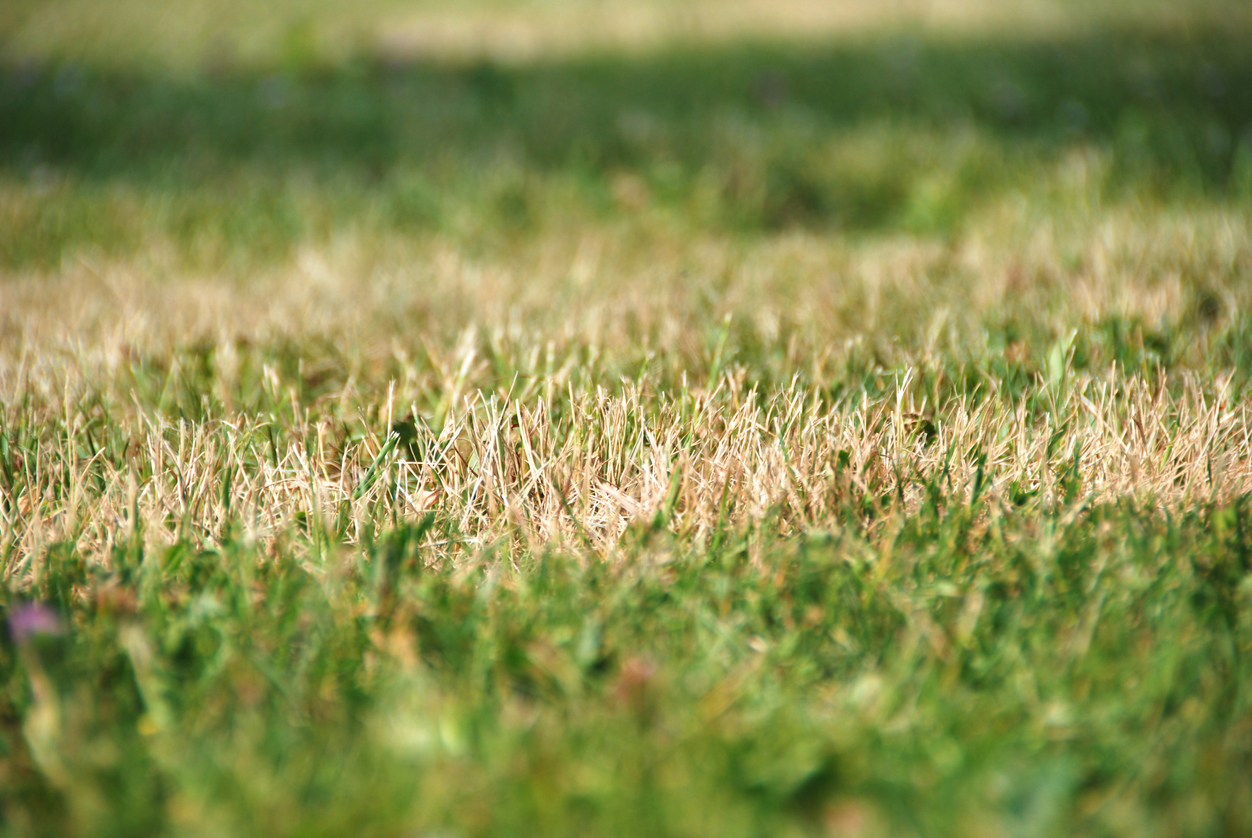
There is little disputing the 2012 growing season was a record breaker in more than one area.  Extreme heat and corresponding drought caused widespread damage to even well cared for lawns.  The effect of these weather phenomena then led to massive explosions of pests like grubs and chinch bugs.  Even with November fast approaching, the pest issues will spill over into the spring of 2013, and if left untreated, will continue to cause turf damage.  There is little that can be done for physical lawn repairs at this point in the growing season like bringing in new loam or trying to establish a lawn through seeding.  However, beneficial turf treatments applied now like potassium, lime, compost tea, sea kelp, and slow release fertilizer can help both a damaged and healthy lawn.  Lawn repairs ranging from small to full renovations should be explored now or at least during the winter months as landscapers and lawn care companies will be overwhelmed this spring by sheer volume of repairs necessary never mind pest treatments.  Timing could not be more critical in terms of seeding and treating for damaging turf and ornamental pests than the spring of 2013.  Even if the weather pattern returns to a more “normal” or stable pattern, the repercussions of this season’s heat and drought will continue into 2013.  Although brown grass in October can be a result of past drought and exposure to dry weather, it can also spell bug troubles in the surrounding lawn as grubs vigorously eat fast growing root systems.

Don't wait until the spring to make your lawn plans

I am seeing grubs in record setting numbers and on lawns which have never had a past issue.  While a curative treatment is only a short term fix, a preventative treatment in 2013 may well be in order for more lawns than previously expected.  I do not normally endorse the use of materials to preventatively protect against grubs, which in a normal year are rarely a huge issue unless past history indicates a problem.  However, I will be firmly endorsing both curative and preventative grub control on a case-by-case basis for 2013 because of the high risk factors recently experienced in New England.  Furthermore, another mild winter would further enhance tick populations in 2013 in addition to hundreds of other outdoor pests.  Make a note on your calendar to explore the potential health issues this winter and make plans, if deemed appropriate after speaking to professionals in the industry, such as Chippers.

On the bright side, the recent rain and cooler weather in combination with fall lawn treatments are helping damaged and weak lawns recover to the maximum degree possible before winter.  Don’t dismiss potassium, compost tea, and aeration after the harsh growing season we experienced this past year.  All of these treatments can be done well into November in most of New England so long as the ground does not freeze.

White grubs are eating your lawn without you knowing it!

In closing, don’t forget the millions of crabgrass seeds which were deposited in record numbers along driveways, patios, and walkways because of drought or insect damaged lawns.  Although a thick, healthy lawn is your best defense against crabgrass, some areas will not be up to the task without additional help of a preventative crabgrass barrier in the spring of 2013.  Timing will be key and a lot of good can be done in an eight week period next spring, so don’t file your lawn contract when it arrives this winter, review it carefully and setup a proactive plan to both protect and perhaps restore your home lawn for the investment it truly is!


Countdown until Halloween, a treat for your lawn


With the arrival of October, cooler weather and leaves changing color, the outdoors beckons the future arrival of winter.  With a month or two left before the lawn mower is put away, there are fun activities that can be done to prepare you lawn for that quiet slumber known as dormancy.  Warm soil with normal moisture levels can support great autumn growth in turf not just above ground, but below.  Providing enough fertilizer to increase root carbohydrates are a vital part of finishing off your lawn on the right foot.  The key is not to provide too much N (Nitrogen) which would cause excessively lush or succulent growth, thereby promoting winter kill and damage.  Hardening off your lawn starts in October and ends in November not only with decreasing mowing height, but with the right applications should they be warranted.  This would a good year to consider extra measures given the harsh summer we recently experienced

October remains a top month for lawn care in NH & VT


October is a great month to apply potassium based fertilizers or a standard fertilizer low in N that does not promote excessive top growth as November draws near.  Autumn provides an ideal opportunity to regain significant root growth, preparing the lawn for the spring of 2013.  Remember, good health in a lawn is not simply judged by the dark green color.  What goes on underground, unseen is even more important.  Energy reserves stored in the root system can help your lawn recover from whatever winter dishes out from ice, cold, and snow mold.  Speaking of snow mold, although treatment is not an endorsed practice in a residential home lawn, some special circumstances can warrant a late season fungicide to just before snow fall if you have problems with this damaging disease.

Hardening off your lawn with potassium based fertilizers and slowly lowering the mowing height from 3” to 1.5” over a 4-6 week period can enhance the hardiness of your own lawn this fall.  October remains a great month to core aerate if you have not had that procedure done in 2012.  Although overseeding in general should be done by late October in most of New England, aeration can be done right into November so long as the soil is moist and not frozen.  With the arrival of more mild winters of late, overseeding and mowing often can stretch a little longer than say 20 years ago.  I would not endorse bluegrass seed in late October simply because it can take up to three weeks just to germinate, that time frame does not allow for a whole lot of growth prior to snow or hard freezes.

Don’t forget, in Vermont it is against the law to apply any fertilizer containing Nitrogen beyond October 15th, unless you have a new lawn, as mandated by the legislature!  No one wants to break the law, do they?  Don’t waste time; make sure your lawn gets a winterizer before you carve the Halloween pumpkin, then you will have a treat for a lawn next year, not a trick.

The definitive lawn checklist for fall

New Hampshire fall lawn care

The unusually dry weather has extended into September and even with cool weather, suffering turf remains brown while damaged lawns look more like broken boats on a beach after a hurricane.  Where do you begin unraveling such chaos and what appears to be a seemingly dauntless project?  There is still time to prioritize appropriate action, and even if they all cannot be done, setting goals now is critical so next spring you can continue with your lawn improvement plans.

First, is your lawn undergoing insect damage right now from grubs or chinch bugs?  If you cannot find the enemy yourself, have a professional check your lawn and determine if treatment is warranted.  If you miss this crucial step, most lawn pests will overwinter and not go away to Florida.  In fact, the population that damaged your lawn will continue to expand next spring causing even more problems.  Don’t be an ostrich, any repairs made now without addressing an underlying issue will be a waste of time and money.

Address the most important part of your lawn and focus on doing the job right.  Don’t bite off more than you can chew by attempting to renovate a half acre or more by yourself on a few weekends.  Unless you have access to a small army, you simply will not have enough time to remove the dead thatch, add loam/compost, seed, add starter fertilizer, and lime before it’s the end of October in New England.  Do the job right, don’t throw down 20lbs of seed on top of dead thatch and expect a new lawn, this simply won’t work.  For proper results, grass seed must be planted into a seed bed, be it compost, loam or a combination.  Like pepperoni on a pizza, making good soil contact without burying the seed is vital, with watering being the most important factor in a lawn fix.  No water equals no lawn.  You must commit to at least 2-3 weeks of watering in order to establish a turf area under normal conditions.  Even if the weather is cool, moisture is needed during germination and the early days of growth.

October generally brings leaves and debris as fall fades into early winter.  Be sure to keep heavy leaf litter picked up, especially on new grass.  Excessive leaves can mulch the newly planted lawn in mere weeks.  Mowing height can be slowly dropped to around 1.5” at the end of October for a last cut generally occurring in November.  A short cut can help reduce snow mold, winter kill, and other turf issues due to matting and long grass under the snow.  A pure potassium treatment in October can offer some increased hardiness by increasing cell wall thickness.  Don’t let the remaining weeks pass without addressing at least some of the lawn issues you are facing.  Even if some projects have to wait until next spring, get a game plan together now because with such widespread problems, professionals like me will be busy booking work into 2013.  Good luck!


Grass seed facts

Large grass seeds include tall fescue and ryegrass


Before you buy grass seed this fall, be sure to know what types you are buying and where you plan on using them around your house.  Failure to know common grass seed facts can mean the difference between success and failure.  The differences in grass varieties are as wide as a sports car is to a truck, they each have advantages but both have down sides too.  Such is the case with grass seed, some tolerate shade, others prefer full sun while others are best used for heavy use or dry conditions.  Each grass type has its own set of characteristics and knowing these can be a huge advantage in growing a healthy lawn.  This is why blends exist, several different grasses mixed in one blend to cover a wide array of growing situations.  The dilemma arises when the wrong grass type or even a blend is used when the proper grass selection would be more successful.  Shopping for grass seed is not an easy task and the packages are anything but cheap.  A little research and knowledge before your purchase can save you not only money, but time.

Since fall is the best time to seed, I am going to review the basic turf types and hopefully you will be enlightened enough to use this to your advantage in improving your own home lawn.  I have found that few people know how much seed to use, and they either put down too much or the wrong kind; perhaps even both!

You have to read the grass seed label to know what you are buying

In New England, we like to grow what we call “cool season” grasses which prefer temperatures in the 50’s to 70’s.  Anything approaching 90 causes heat stress resulting in browning or white sun scorch.  These grasses include Kentucky bluegrass, perennial ryegrass, annual ryegrass, fine fescue, tall fescue, and bent grass.  Within these grass types, there are many hybrid types, each with their own resistance to disease, drought, shade, insects, and ability to handle wear and then recover.  As you might expect, choosing the right grass seed is extremely important, especially when picking out a blend based on facts versus how pretty the package looks.  Bottom line, you pay for what you get when you buy grass seed.  If you buy cheap grass seed, you are likely purchasing old seed or annual grass which means come winter, your grass dies and you get to start over again next spring.

Kentucky bluegrass has great color, good density, but takes 21 days to germinate and only has fair wear and shade tolerance.  This is why planting sod that is comprised of mostly bluegrass in the shade is not a good decision because it will simply thin out and eventually need seeding with the right grass such as a fine or tall fescue.  Kentucky bluegrass has only fair wear tolerance, but compensates with good recovery abilities when injured.  Bluegrass creates thatch and requires regular aeration to keep in good health.  Kentucky bluegrass is a very small seed with over 1 million per pound, so while you only need 2lbs per thousand square feet, its small size and desirable characteristics makes its per lb price very high.

Kentucky bluegrass is a highly desired turf grass

Perennial ryegrass works best when used in overseeding in an existing lawn since it works well with most other grasses.   Unlike bluegrass, both perennial and annual ryegrass have good wear tolerance but has a tough time recovering if damaged.  Perennial ryegrass seed is fairly large ranging in only ¼ million seeds per pound.  As a result, you need at least 8lbs per thousand square feet to seed your lawn versus 2lbs of Kentucky bluegrass.  Perennial rye is sensitive to cold winters and ice so be careful where you let snow build up along walkways.  Annual ryegrass is best used where erosion might be a problem and a quick cover is required, same for perennial as these grasses germinate the fastest of the bunch.

Tall and fine fescues are the last main grass types to review.  Tall fescue is great on sports fields, high-use traffic areas, and has good drought tolerance.  Tall fescue has a thicker blade but newer hybrids this is not as noticeable because certain home owners do not like the wider blade found in tall fescue.  Older varieties of tall fescue are often mistaken for grassy weeds in a manicured lawn because of their clump growth habit and wide leaf blades.  Tall fescue is the largest of grass seeds and again comes in at a little under ¼ million seeds per pound with the same seeding rate as perennial ryegrass.  Tall fescue does fairly well in shade, so if you have had trouble before, give this turf a try.

Fine fescue is a soft, thin-bladed cousin to tall fescue and is often well suited for partial shade or in a blend with bluegrass, as the two do well together.  Fine fescues come in a variety of names like hard, chewing, or even red.  Most do not like wet soils but can do well in dry shaded situations.  Fine fescue is not the grass to use alone in full sun or as a sports turf given its nonexistent tolerance to wear.  Fine fescue has under ½ million seeds per pound, so normal seeding ranges from 2-4lbs per thousand square feet.

Bentgrass is not considered a desirable turf in a home lawn due to its growth habit.  Bentgrass requires a very short cut to ¼ inch while most lawns require a 3” cut; such a low cut would promote a wonderful bentgrass putting green but ruin a normal lawn.  This is because bentgrass puts out leaves where it is cut, up top unlike other grasses which put up leaves from the base down at the ground level.  This different growth habit makes bentgrass ideal for golf course use but makes it a weedy grass in a home lawn, often found in small patches which appear lime green in color with brown stems.

Fall is the best time to overseed

In general, each of the grasses above is best used in conjunction with each other in specific blends for optimum use.  By evaluating your lawn’s growing environment, it is much easier to pick an appropriate grass blend which will do well once planted.  The key lies in the percentage of each specific grass in a given blend.  While you can buy any of these grasses alone, you can find great blends which are suited to some of the conditions described such as play, shade, or full sun.  Most grasses you will find in a hardware store are found in specific blends or by name.  The key to finding the right grass varieties lies on the label where they are listed by percentage of the mixture.  Just liking reading a label in the supermarket, you have to read the label in order to determine what you are actually buying.  Purchasing a grass blend just because it says “patch mix” or “play blend” can be misleading and may actually get you the wrong grass for your situation.  Only by reading the label on the blend can you properly tell what grasses you are actually buying.  In general, you get what you pay for when it comes to seed pricing so don’t skimp on quality or quantity!

In my business I use four to five different blends of grasses with each containing four to five specific grass types. This is necessary for the variety of lawn applications, such as overseeding, and complete lawn installations while keeping in mind the site requirements.  Choosing the right grasses is very important for long term success of your lawn ecosystem.  Failure to over seed this fall, in order to add more turf to a damaged lawn system, can mean the difference of a great lawn in 2013 or just surviving.  Given that New England has experienced a record setting heat wave this past summer, it makes solid agronomic sense to plan on some kind of seeding in the fall of 2012.

Address the weak or damaged spots in your lawn this fall before its time to carve the turkey dinner, because by then, it’s all stuffing!

Back-to-school time is fix-your-lawn time.

Published by mrgrass on August 2nd, 2012 - in Aeration or Core Aeration

Back to school time is fix up your lawn time

Summer is beginning to fade as August begins and soon school buses will be back on the roads as Labor Day approaches.  Your heat-ravaged lawn would do well to get in on the end-of-summer shopping extravaganza.  Although notebooks and new clothes are not appropriate, core aeration will break up the compacted soil caused by drought and is definitely what the teacher ordered.  And warm soils and cool nights beckon new seeding to repair damaged sections of your lawn.  This over seeding is best done after aeration so the seed can germinate in the core holes.  For those areas too large for a minor fix up, topdressing with compost is just the ticket to supply organic matter and a superior seed bed after core aeration.

Fall is the best time of the year to work on your lawn, especially when it comes to seeding because of increased rainfall, warm soil, and cool nights.  There is less competition in your lawn as summer annuals like crabgrass and spurge are on their deathbeds. And every lawn can benefit from core aeration regardless of condition or age. Simply put, fall is summer in reverse as the weather begins to feel like spring except with a splash of vivid foliage color to make a great outdoor backdrop for family activities.

Core aeration physically removes a plug to reduce soil compaction

Aeration can normally begin in August as soon as there is sufficient soil moisture to allow the hollow tines of the machine to break through the hard surface.  Dry soil often does not allow good plugs to be pulled as the soil falls apart or it is difficult to penetrate from compaction caused by dry summer weather.

A core aeration machine is a wonderful organic way to renovate a home lawn


Over seeding allows better grasses to be introduced into your lawn so it can become more resistant to disease, insects, and drought.  You may have grasses which prefer partial shade living in full sun.  Fall is a great time to add a better grass to this kind of area.  Perhaps you have an older bluegrass that is not tolerant to disease; now is the time to seed in superior hybrid turf grasses that are resistant to disease yet blend in with your bluegrass lawn.  Don’t skimp on seed quality, like fine wine, you get what you pay for and using subpar seed to save money will detract from the overall results.

The grass seed in the aeration holes needs no special care. In fact, you should continue your normal mowing routine. Topdressing will aid in the thickening of the lawn because the seed is delivered into the holes and on the lawn surface.   Any supplemental moisture for both over seeding and topdressing will promote maximum grass seed germination although it is not required for good results under normal autumn weather.  Too much moisture is often called “killing your lawn with kindness” and can be worse than not watering at all.

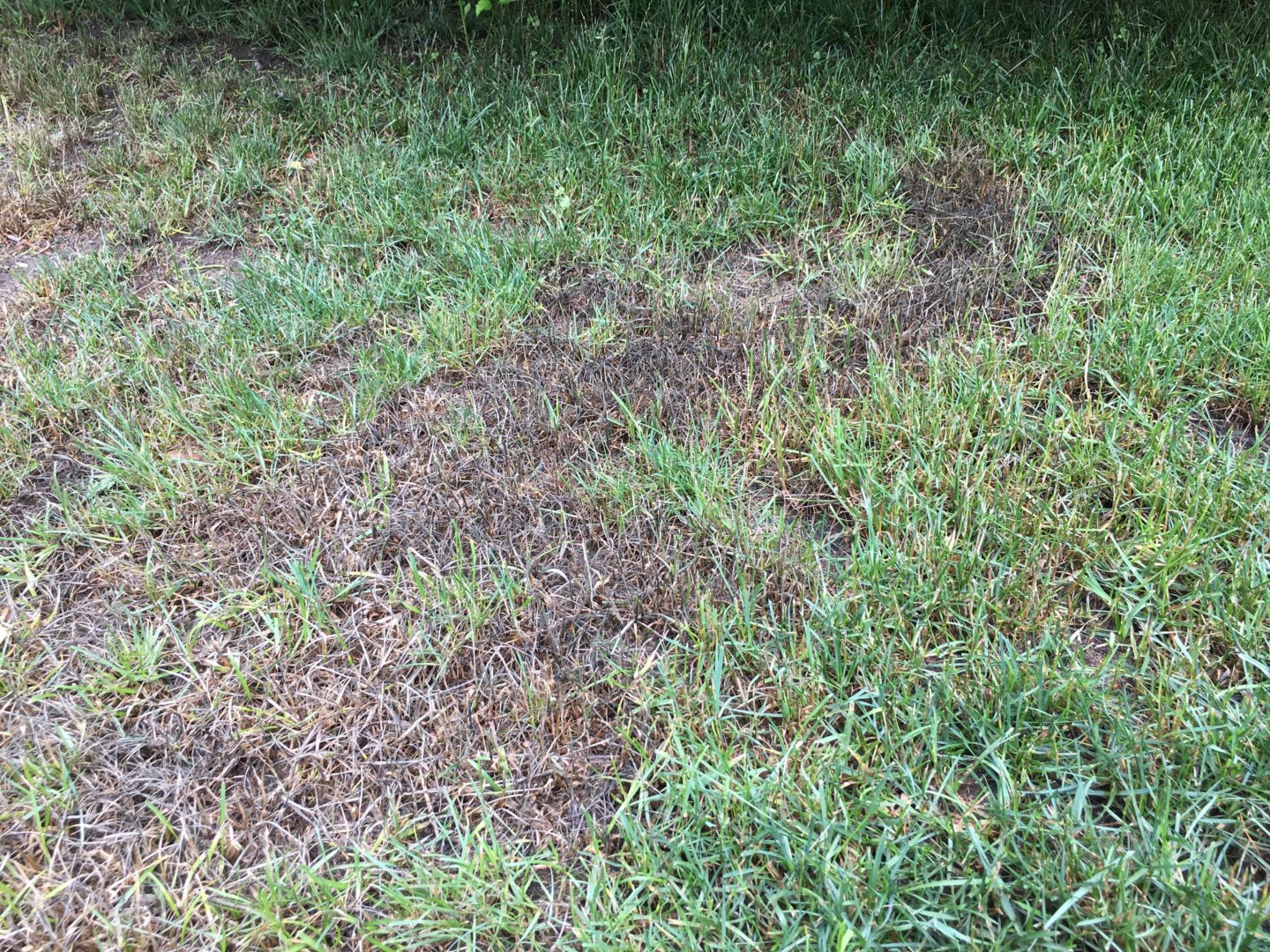
Drought, disease, or insect damage can thin a healthy lawn

Core aeration and over seeding are an excellent pair of lawn renovation activities which do so much good, especially after a dry year when many lawns had some drought or disease damage.

When you hear those back to school advertisements, don’t forget to help your lawn looks its best before winter arrives. Don’t let this opportunity pass you by.

Topdress and Aerate Your Lawn This Spring

Spring is a great time to fix your lawn before the summer heat moves in.

Spring is an ideal time to topdress and aerate your lawn; two steps that can really improve your lawn. Topdressing is a process where you add a thin layer of compost or soil on the lawn surface to add organic material.  This process is ideal for seeding as it makes a nice surface for grass to germinate.  Instead of adding yards or truck loads of soil and starting from scratch, some lawns can be salvaged with just ¼ to ½ inch of topdressing.  This process won’t bury existing healthy grass but fill in around it like water around an island, creating a great seeding surface.  Another benefit of topdressing allows you to seed over any weed or crabgrass barrier which may have been recently applied since doing so into the soil would be futile; it just won’t work because the chemicals prevent seed germination.

Spring aeration and overseeding is an excellent process which can help thicken up a lawn, with or without utilizing topdressing.  Aerate when soil moisture is good to enhance seed germination in the holes created by the machine.  (a line about overseeding?)

Everyone has some degree of winter damage or bare spots from plowing or salt use over the winter.  May and early June are ideal times to repair these often neglected areas of your lawn.  Addressing these weak links will make the entire lawn look better during the summer.  Left unchecked, bare spots will yield crabgrass and broadleaf weeds no matter how many times you spray.  The solution lies with replacing open soil spaces with healthy turf grass.  Perennial rye is a great grass to use in the spring because it germinates fast and is tough.  Crabgrass is a fierce competitor so the sooner you get “good” grass to germinate; the better off your lawn is as summer approaches.  No amount of spraying will suppress the inevitable weed infestation as bare soil heats up and fills in with fat crabgrass plants.

Take advantage of May and June’s cooler, wetter weather and get your lawn ready for summer before you leave for the beach this year!

Organic Lawn Care in NH & VT

Organic lawn care treatments are good for your lawn and you

Crabgrass is more than a crabgrass problem!

Enjoy your lawn this year without crabgrass

If you are considering crabgrass control this spring, consider solving the real problem as an alternative spring time lawn project.  If you have a crabgrass problem, you have more than just a crabgrass problem.  The root of the issue is likely unhealthy soil, compaction, and low organic matter; all of which contribute to an inferior lawn.  Most folks will focus on the symptoms of a poor looking lawn such as dead patches or crabgrass and not the underlying issues.  Most lawn issues can be directly attributed to bad soil.  Can there be bad soil?  Well, in a manner of speaking yes, there can be bad soil or at least soil that cannot successfully support good turf growth.  Healthy turf does not occur by accident; it takes a healthy soil to support a green, lush lawn.  Let’s take a closer look at why good soil is so important and why bad soil really can only support crabgrass or nothing at all.

Soil is supposed to be filled with micro-organisms in various percentages, nature’s way of supporting plant life through root systems.  A healthy soil will contain soil particles of various sizes (clay through sand), air spaces, and water.  An ideal soil will also contact organic matter and many micro-organisms such as bacteria, fungi, and protozoa, like in high school biology class (wicked cool).  Turf really appreciates a soil which has a higher bacterial count.  Now you know why grass is always so green over the septic system, an ideal environment for lots of bacteria, organic matter, and moisture.

Poor soil will have a low population of these micro-organisms; in fact, it may not have much, if any at all.  Low organic matter is another issue which takes away from a healthy lawn.  Compacted soils don’t have the air spaces necessary for roots to grow successfully because roots need air to survive.  Add a low soil pH and now you have locked up vital nutrients necessary to support healthy turf growth.

The bottom line is that a good lawn must be rooted in healthy soil.  Without moving forward with proper techniques to improve your soil, your lawn is destined to be a field of crabgrass and blowing dust each and every year. Growing a lawn is just like growing corn or any other crop – it has basic needs.  Crabgrass is much less fussy and will gladly move in without an invitation and stay all summer long, thriving in high heat with minimal rainfall.  Crabgrass is not the enemy; crabgrass is just an opportunist which seizes its ideal growing environment.  The real villain is bad soil that is devoid of air, organic matter, and micro-organisms.

Your real hope lies in compost teas rich in bacteria, fungi, and other “good guys” who helps improve a sterile and almost lifeless pile of dirt.  Sea kelp adds lots of organic matter plus a host of nutrients, proteins, and minerals.  Core aeration breaks up compacted soil, providing air pockets and the opportunity for rain to penetrate a hard surface area.  Organic fertilizers provide more organic matter and a plentiful helping of nutrients, not only the grass, but the living community below!  While crabgrass suppression can be helpful, the real cure lies in improving your lawn’s soil as a basic rule towards creating an outdoor living space that can be enjoyed instead of being cursed.

© Copyright 2009-2012 Chippers, Inc. All Rights Reserved.